In this guide, we explain what a black box records, how driving scores work and the main advantages and disadvantages for drivers in Northern Ireland. We also cover fitting, curfews, privacy and the rules worth checking, helping you decide whether this type of car insurance is right for you.
What does a black box do in a car?
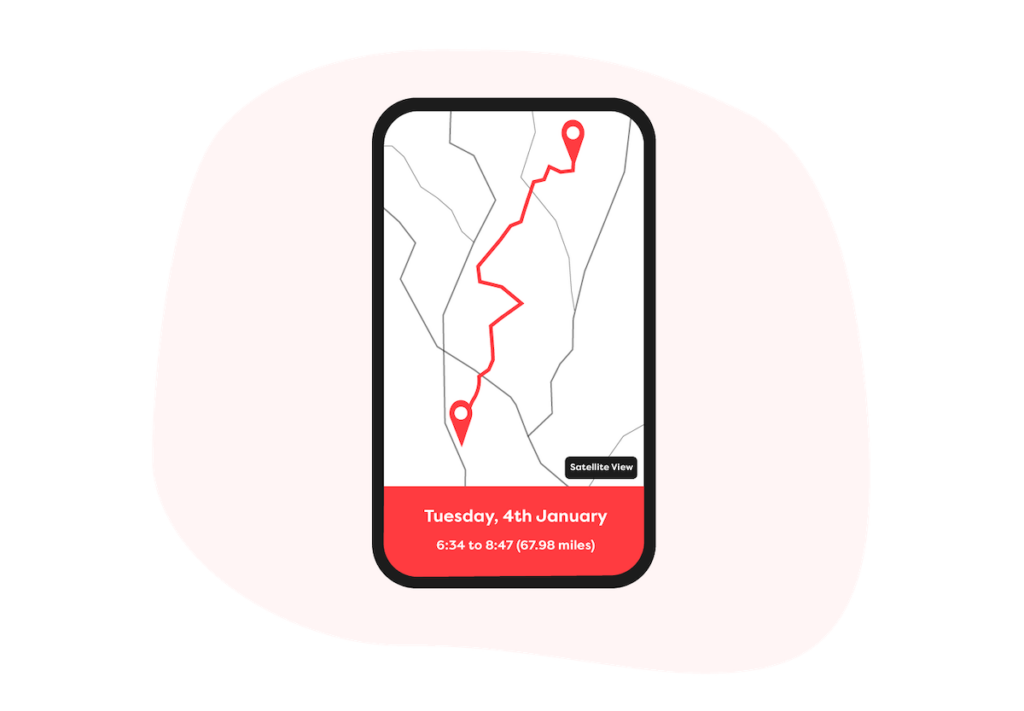
A black box is a device that uses telematics technology to record information on each journey you take in your car. It usually records aspects of your driving such as how, when and where the car is driven.
Information about your driving is collected and sent to the company operating the system, usually your insurance provider. You also have access to the data it collects, usually through a smartphone app.
How does scoring work?
Using the information collected, your insurer will assess how safe a driver you are. They often do this by providing you with a ‘score’ on your drive, explaining areas for improvement (if any exist), what you did well, and how your most recent score could affect your insurance renewal premium.
Telematics devices are particularly suited to young and new drivers – who often face high insurance premiums – as they help prove to your insurer that you drive safely. With safe driving, your renewal premium can be cut by hundreds or thousands of pounds.
How is my driving recorded?
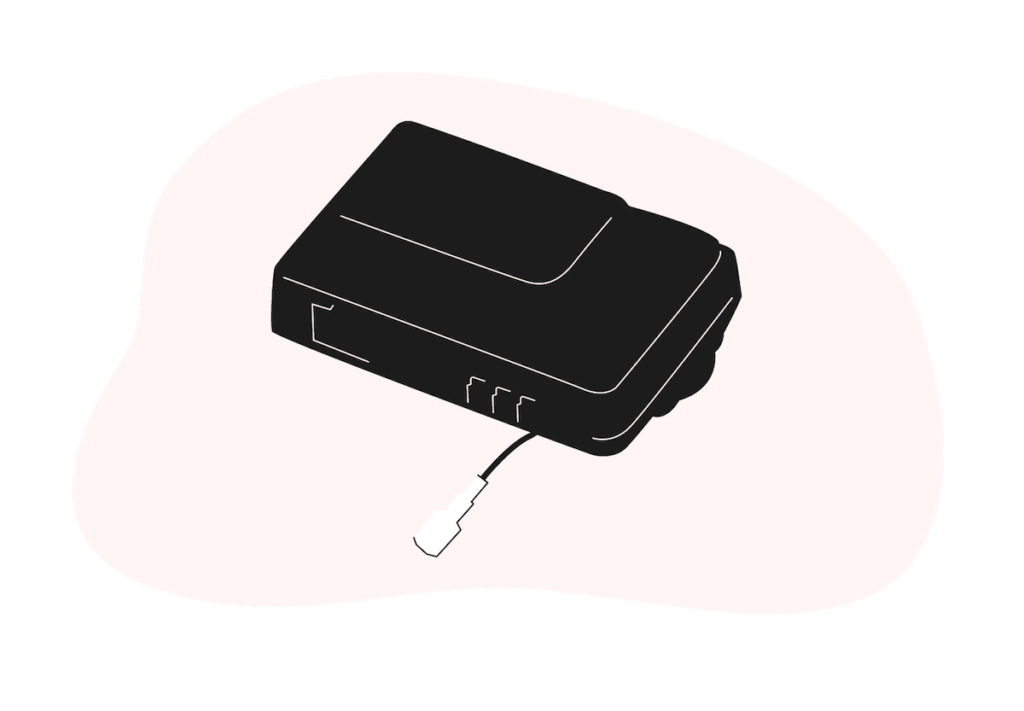
The method depends on the system included with your insurance. It could be a unit fitted by an engineer or a device you install yourself.
With Sterling NI, the Smartbox is a plug-in device that attaches to your windscreen and works alongside an app. You can install it yourself, so there is no need to arrange an appointment with an engineer.
When the car starts moving, the device uses GPS to recognise the journey and record driving information.
What information can a telematics system record?
The details collected vary between insurers and systems. They may include:
- your speed
- how quickly you accelerate
- how sharply you brake
- how you take corners
- the number of miles you drive
- the time of day you travel
- your route and location
Not every insurer records or scores all these things. One may focus mainly on speed and braking, while another may also consider mileage, cornering or when you drive.
What are the advantages and disadvantages?
A black box can offer useful benefits, but it also comes with responsibilities and possible restrictions.
| Potential advantages | Potential disadvantages |
| Some drivers may receive a more favourable quote | A lower price is not guaranteed |
| Feedback can act as an extension to your driving lessons | A low driving score may affect your cover |
| Journey information may be useful after an accident | Others may treat night driving differently |
| Location data may help if the car is stolen | |
| Some policies – including ours – have no driving curfew |
Black boxes allow insurers to consider real-world journey information alongside factors such as your car, address, claims history, occupation and mileage. This can give some young drivers another route to a competitive quote.
Some systems may also provide claims assistance after an impact or help identify the vehicle’s location if it is stolen. Journey information can support a claim by showing details such as the time, location and movement of the car, but it will not automatically decide who was responsible.
Sterling NI’s Smartbox also includes a microphone and speaker so you can speak to the claims team after an accident or simply press the assistance button if you need help. The box can also detect an accident and speak with you to check you’re okay.
Driving feedback may help you recognise habits such as sharp braking, quick acceleration or regularly exceeding the speed limit. For R drivers in Northern Ireland, this may be particularly useful because newly qualified drivers must currently display R plates for one year and keep to a maximum speed of 45mph.
Northern Ireland’s rules are changing from 1st October 2026. Our guide to graduated driver licensing in Northern Ireland explains who the new R-plate and passenger requirements will apply to.
What black box rules and restrictions should I know about?
The rules are set by the insurance policy rather than the technology itself. This means two insurers could use similar devices but have different requirements for mileage, installation, night driving and driving scores.
What should I check before choosing a policy?
Before taking out cover, find out:
whether you must activate the device by a set date
- whether you need to keep the device charged or connected
- whether named drivers can use the car too
- whether there is an annual mileage limit
- whether driving at night is restricted
- what could lead to a warning, extra charge or cancellation
- what you need to do if the device or app stops working
How long do I need to use the device?
You will need to keep the system working for the full length of your cover – usually a year. Young drivers facing high insurance premiums tend to use a black box for their first year or two of driving. This gives them time to prove they’re a safe driver and build up a no claims bonus, which makes standard cover much more affordable.
Can my insurance include a driving curfew?

Yes, some insurers restrict driving during certain hours. Others allow night driving but may take the time of your journey into account when calculating your score.
This is worth checking if you work shifts, attend university or regularly drive late in the evening. With Sterling NI, we don’t think nighttime driving should count against you, and many young drivers depend on their vehicle for shiftwork and to attend classes in the evening. As a result, our cover does not include a driving curfew, and your premium will not increase simply because you drive at night.
What happens if my driving score is low?
We understand that one bad day of driving doesn’t tell the full story. Instead, we look at your driving as a whole across the year you spend using the device.
If you get a lower driving score, we also provide feedback on aspects of the drive you can improve. Try to use that information to improve your driving habits and you should see an improvement in your score as you go.
If higher-risk driving continues, you may be issued a warning and your renewal price may change. In more serious cases, the policy may be cancelled.
What should I do if the device stops working?

If the device or app is not working properly or you think it’s incorrectly tracked a drive, contact your insurance company as soon as possible. They may be able to check the connection, help with the app settings or arrange a replacement.
If you have a problem with our Smartbox, get in touch with our team. We may be able to resolve the issue over the phone or arrange an exchange if the device is faulty.
Choose young driver insurance that fits how you drive
A black box can provide useful feedback and may give some young drivers another way to lower their renewal quotes. The right option will depend on your mileage, daily routine, driving habits and the cover available to you.
At Sterling NI, we listen to your circumstances and help you compare the options available. Talk to our team or explore our black box insurance for young drivers in Northern Ireland.