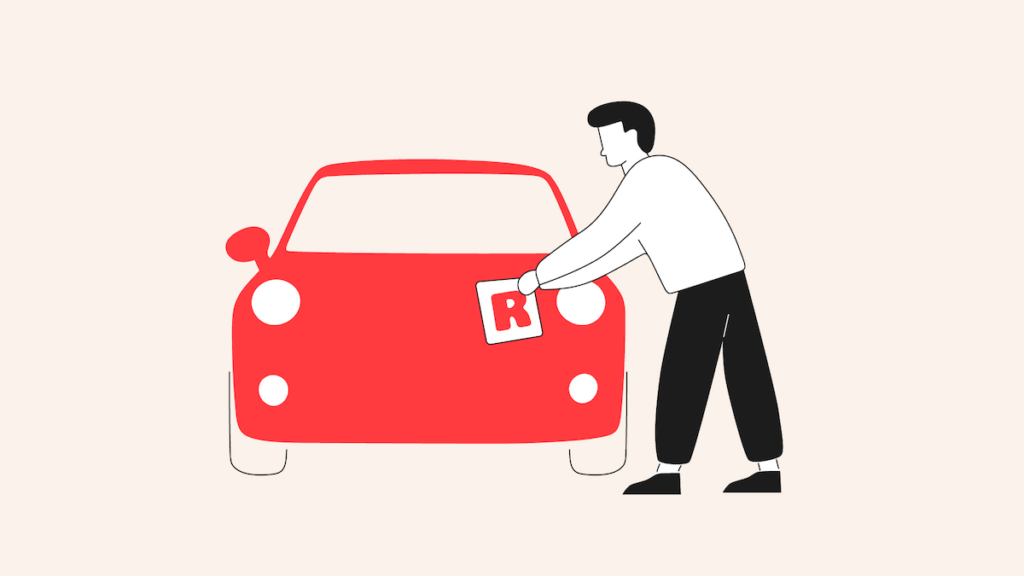
In Northern Ireland, the process of learning to drive and transitioning to full driving privileges involves the use of red learner (L) plates and restricted (R) plates.
Rules and regulations are changing in Northern Ireland. From October 1, the new Graduated Driver Licensing (GDL) rules are coming into effect, which will change how these plates need to be displayed for all new drivers, especially those aged between 17 and 23 years old.
If you started to learn before October 1, 2026, you will learn under the previous rules and have until March 31, 2027 to take your practical driving test. From April 1, 2027, all learners will need to complete the GDL Programme of Training Logbook before being able to take their test. If you pass your test before October 1, you will follow the older R plate rules.
These plates serve as visual indicators of a driver’s experience level, helping other road users to be aware of learners and newly qualified drivers. Understanding the rules and regulations associated with L and R plates is crucial for both learners and new drivers to navigate the roads safely and responsibly. This blog answers all your questions about L and R plates.
When do I use L plates?
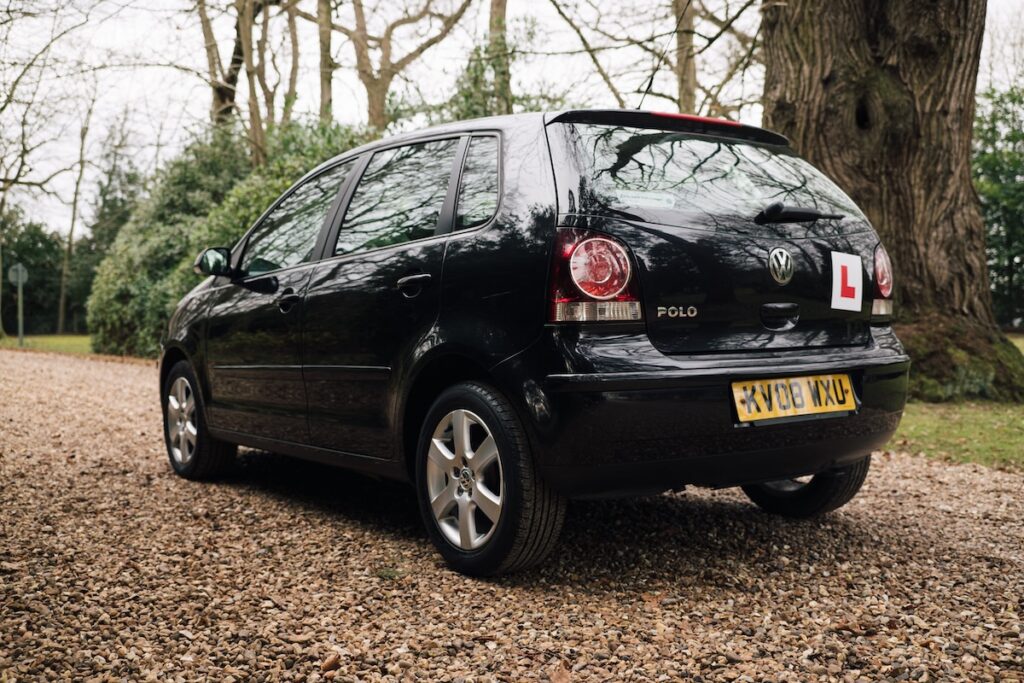
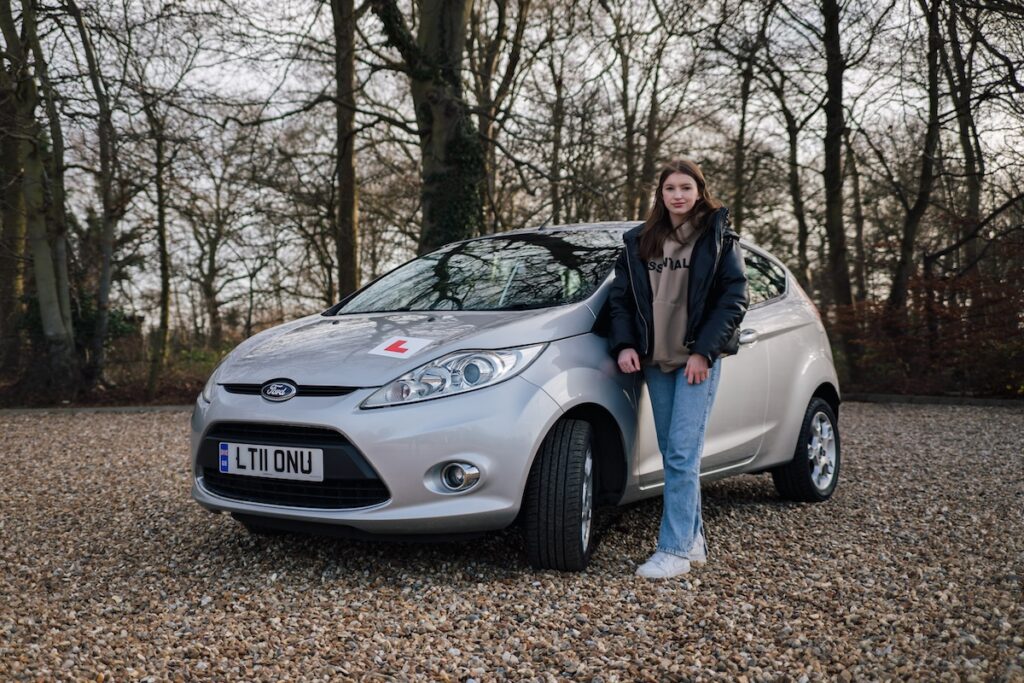
You must display L plates on the vehicle you are using when you are learning to drive.
How many L plates do I need to display?
When you’re learning to drive in Northern Ireland, you need to display two L plates: one on the front of the vehicle, and one on the rear.
Where do I need to display them?
L plates must be clearly visible to other road users, and they should be positioned in a way that they can easily be seen from both the front and rear of the vehicle. Typically, this means attaching them to the front and rear bumpers of the car. Ensure that the plates are not obstructed by dirt or any other objects, and that they will stay put while driving. A convenient way to do this is to use magnetic plates.
Can I drive on motorways as a learner driver?
Learner drivers will now be allowed to drive on motorways, but only if they are accompanied by an Approved Driving Instructor (ADI) as part of the GDL. You will still not be able to practise on them if you are being taught by a family member, friend or anyone else who has a full licence and is not an ADI on a lesson.
This type of training can only be done in vehicles with dual controls that can be operated by an ADI.
Are there any other driving restrictions when displaying L plates?
Other restrictions include:
- Supervised driving: Learners must be accompanied by a qualified driver at all times when driving, i.e. someone who is over 21 and has held a full EC/EEA licence specific to the vehicle being driven (manual or automatic) for at least three years
- The L plates must be removed or covered when the learner is not the one driving the vehicle
How long do I have to display L plates?
The length of time a learner driver must display L plates varies, but it is generally until you pass your driving test and receive your full driving licence. However, under the new GDL rules, prospective new drivers will need to have had a learning period of at least six months before they can take their driving test. The learning period allows new drivers to gain sufficient experience and confidence on the roads.
Learners will also need to complete the digital Programme of Training Logbook, which has 14 mandatory modules (and one optional), before they can book their practical driving test. These modules must be signed off by an ADI or a designated supervisor.
When do I use R plates?
After passing the driving test in Northern Ireland, drivers will now see an increase in the restriction period from 12 months to 24 months, and those who pass their test will be required to display two different R plates within this timeframe.
For the first six months, drivers will need to display a blue ‘R’ on a white background. Drivers under 24 should also note they can’t have more than one passenger in the vehicle aged between 14 and 20 between the hours of 11pm and 6am. Exemptions apply for immediate family members. Passenger restrictions also don’t apply if the accompanying person in the front seat is 21 years old or older and has held a driving licence for three years, according to the NI government website.
During the remaining 18 months, drivers will need to display a white ‘R’ on a blue background to signify the next phase.
Both types of R plates should be removed or covered when unrestricted drivers are using the vehicle.
Can I drive on motorways as a newly qualified driver?
Unlike learners, drivers with R plates are free to drive on motorways. The previous 45mph speed limit for restricted and learner drivers will be removed once GDL starts.
How many R plates do I need to display?
Similar to L plates, R plates should be displayed on both the front and rear of the vehicle.
Where do I need to display them?
R plates must be clearly visible to other road users, so they should be displayed prominently on the front and rear of the vehicle. The goal is to inform other drivers that the person behind the wheel is a newly qualified driver.
Understanding L and R plates
Understanding the regulations surrounding L and R plates in Northern Ireland is essential for both learners and new drivers.
These visual indicators not only communicate the driver’s level of experience to others on the road but also help in implementing graduated licensing systems that enhance road safety.
By following the rules associated with these plates and the accompanying driving restrictions, individuals can navigate their learning journey and early driving years with responsibility and awareness, contributing to a safer driving environment for all road users.
Driving rules in Northern Ireland are changing in October 2026 and may have changed since this blog was updated. Please check official government sources for the latest rules. This guide is for general information only and does not constitute legal advice. While we aim to keep information up to date, we can’t guarantee full accuracy due to changing laws.
New and learner driver insurance in Northern Ireland
When you’re learning to drive, it’s important that you take out learner driver insurance for any private practice. At Sterling NI, our experts can help you find learner driver insurance to match your needs.
Unlike many other providers, you can start building a no claims bonus as a learner, which can help reduce your young driver insurance. Call us on 0344 381 9990 for a quote.