When learning to drive, it can feel like there is a lot of information for you to remember, including the ‘show me, tell me’ questions that arise during your driving test.
Here, we detail everything you need to know about these questions, including how they affect your test and when you will be asked them.
What are the ‘show me, tell me’ questions designed for?
The ‘show me, tell me’ questions are designed so learner drivers can prove they know how to carry out safety tasks on their vehicle, should they need to. You may have heard these referred to as ‘vehicle safety’ questions.
You will be asked one ‘show me’ question and one ‘tell me’ question. The former will see the learner driver showing the examiner how they would carry out a specific safety check, such as how to operate the horn or being asked to show how to wash and clean the windscreen or rear window.
For the ‘tell me’ question, you will need to explain to the examiner how you would carry out a safety check or procedure, like how to check your brakes are working before you set off on a journey, or how to check a vehicle’s lights are in working order.
In total, there are 14 ‘tell me’ and seven ‘show me’ questions that can be asked during your driving test, so it’s important to know the answer to each of them, as you never know which one may be asked.
If I give the wrong answer, will I fail my driving test?
You will not automatically fail your driving test by getting these wrong. However, they may contribute to a failed exam. If you get one or both wrong, this will count as a minor driving fault. You can get up to 15 minor faults during your driving test. If you were to get 16 or more, or a major fault, you won’t pass your test.
In terms of the ‘show me, tell me’ questions, though, you will be asked the ‘tell me’ question before you start driving. The ‘show me’ version will be asked during the driving portion of the test.
What are the ‘tell me’ questions?
‘Tell me how you’d check that the brakes are working before starting a journey’
A vehicle’s brakes should be tested as you set out on your journey. The government website states they shouldn’t feel ‘spongy or slack.’ You should also ensure the vehicle is not pulling to one side.
‘Tell me where you’d find the information for the recommended tyre pressure for this car and how tyre pressures should be checked’
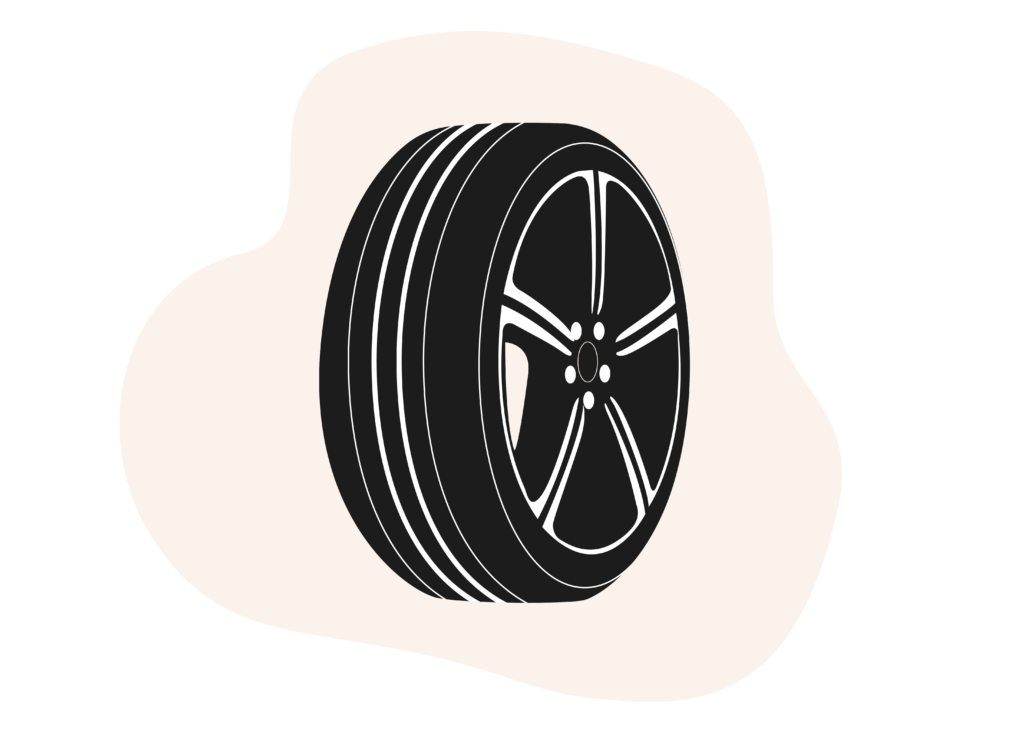
You will need to ensure you check the tyres when they are cold. You will need to use the manufacturer’s guide to tell you the correct tyre pressure for the vehicle. Use a reliable pressure gauge and don’t forget to refit the valve caps and the air in the spare tyre.
‘Tell me how you make sure your head restraint is correctly adjusted so it provides the best protection in the event of a crash’
While some restraints may not be adjustable, you will need to ensure the restraint is adjusted so the rigid part is in line with the top of the driver’s ears or their eyes. It should also be close to the back of your head while remaining comfortable.
‘Tell me how you’d check the tyres to ensure that they have sufficient tread depth and that their general condition is safe to use on the road’
There needs to be at least 1.6mm of tread depth across the ‘central three-quarters’ of the breadth of the tyre and the outer circumference. You will also need to check there are no bulges or cuts.
‘Tell me how you’d check that the headlights and tail lights are working. You don’t need to exit the vehicle.’
You will not need to physically walk around the car, as you are only telling the examiner how you should check the vehicle. However, you will need to say that you need to walk around after operating the switch or turning on the ignition if needed.
‘Tell me how you’d know if there was a problem with your anti-lock braking system’
If there is an issue, you will notice a warning light on the vehicle’s dashboard.
‘Tell me how you’d check the direction indicators are working. You don’t need to exit the vehicle’
Another question where you will not need to actually check the vehicle as this is a ‘tell me’ question. You will need to explain that you would need to operate the switch and then walk around the car.
‘Tell me how you’d check the brake lights are working on this car.’
Tell the examiner how you would need to use the brake pedal and make use of reflections in windows or doors to ensure they are working. Alternatively, you can ask someone else to check the brake lights while you operate the pedal.
‘Tell me how you’d check the power-assisted steering is working before starting a journey’
The important thing to remember is that if the steering has become heavy, then it may mean the system is not working properly. Before you go on a journey, there are two safety checks you can do.
You can try turning the steering wheel just as you start driving to see whether it is functioning. Before that though you can apply gentle pressure on the wheel as you start the engine. You should feel a slight movement.
‘Tell me how you’d switch on the rear fog light(s) and explain when you’d use it/them. You don’t need to exit the vehicle.’
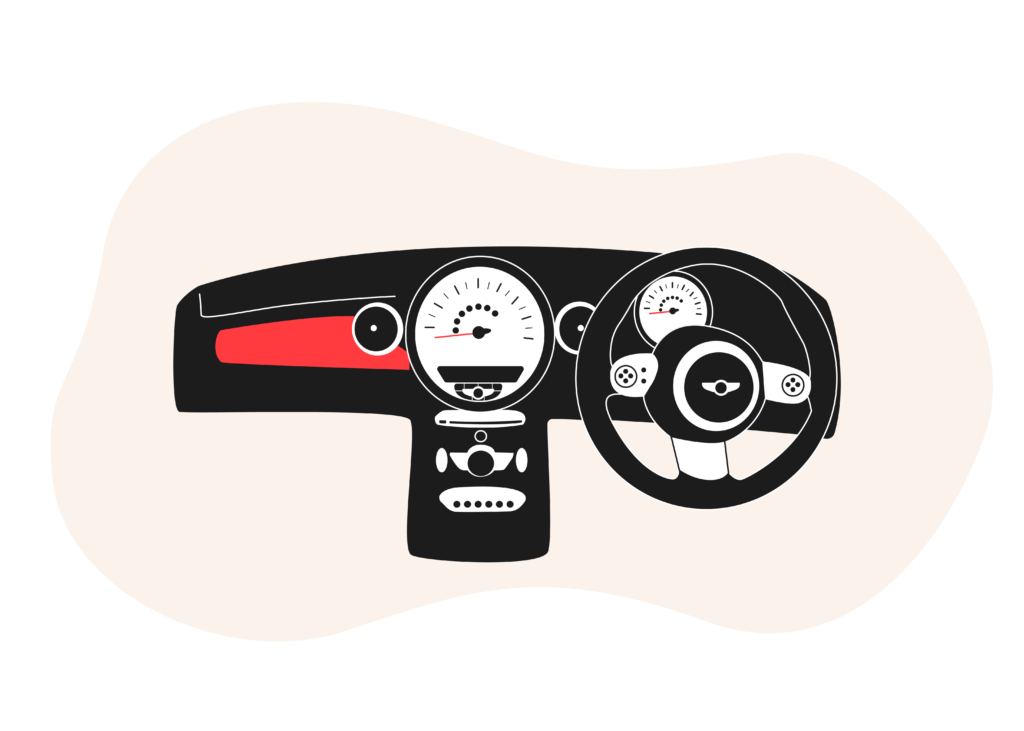
You need to explain the reason for their use, along with whether the warning light has appeared on your dashboard. You will need to explain that you need to ‘operate the switch’.
Tell me how you switch your headlight from dipped to main beam and explain how you’d know the main beam is on.’
Explain that you need to operate the switch and check that the main beam’s warning light appears.
For the next three questions, you will need to open the bonnet as you explain the answer to these questions.
‘Open the bonnet and tell me how you’d check that the engine has sufficient oil’
Explain how you need to find the oil level indicator and that you would check the oil levels against the maximum and minimum markers.
‘Open the bonnet and tell me how you’d check that the engine has sufficient engine coolant.’
Describe how to top up the coolant to the correct level and how on the header tank you can spot the high and low level markings, or the radiator filler cap.
‘Open the bonnet and tell me how you’d check that you have a safe level of hydraulic brake fluid.’
You will need to find the reservoir before explaining how you check the level against the low and high markings.
What are the ‘show me’ questions?
1. ‘When it’s safe to do so, can you show me how you wash and clean the rear windscreen?’
2. ‘When it’s safe to do so, can you show me how you wash and clean the front windscreen?’
3. ‘When it’s safe to do so, can you show me how you’d switch on your dipped headlights?’
4. ‘When it’s safe to do so, can you show me how you’d set the rear demister?’
5. ‘When it’s safe to do so, can you show me how you’d operate the horn?’
6. ‘When it’s safe to do so, can you show me how you’d demist the front windscreen?’
7. ‘When it’s safe to do so, can you show me how you’d open and close the side window?’
Learner driver insurance with Sterling Northern Ireland
Learning to drive is one of life’s major milestones, along with passing your driving test. That’s why it’s important to ensure you have the right insurance.
Sterling Northern Ireland can find learner driver insurance for private practice sessions. We can also help with young driver insurance when you pass your test.
Sterling Northern Ireland has over 30 years of insurance experience. To get a quote, call 0344 381 9990 or request a callback at a time that best suits you.