
Buying your first car is exciting, but the price in the advert is only one part of the decision. You also need to consider insurance, tax, fuel or charging, servicing and unexpected repairs.
Many new drivers choose a used first car rather than spending heavily on a brand-new vehicle while they are still building experience. That can be a sensible option, provided you check the car carefully and understand what must happen before you drive it home.
This guide takes you through the process, from setting your budget to completing the paperwork.
Work out what your first car will really cost
Start with the total amount you can comfortably afford, rather than the most expensive car your savings or monthly income could stretch to. Make sure to keep some savings available for unexpected costs instead of putting everything into the purchase.
Your budget may need to cover:
- The purchase price, deposit or finance payment
- Car insurance and vehicle tax
- Petrol, diesel or charging costs
- MOT tests, servicing and maintenance
- New tyres and repairs
- Parking, tolls or clean-air charges
- Breakdown cover
Some first-time buyers use car finance rather than paying the full price upfront. With personal contract purchase (PCP), you pay a deposit and monthly payments, then choose whether to return the car, begin another agreement or make a larger final “balloon” payment to keep it. With hire purchase (HP), you usually own the car after the final payment, while leasing a car means you must hand back the keys. Compare the total amount payable, mileage limits and possible charges, not just the monthly cost.
Get a few insurance quotes before you settle on a car. Premiums depend on much more than engine size, so a vehicle that appears inexpensive to run will not automatically be inexpensive to insure. Where possible, use the registration number of the actual car when getting a quote.
Decide what you need from the car
Think about the journeys you will make most often. A small car may be easier to park and cheaper to run, while boot space and comfort may matter more if you regularly travel longer distances or carry bulky items.
Also consider whether you need a manual or automatic, how easy the car feels to manoeuvre and what it may cost to insure.
If you expect to spend a lot of time on the road, it may help to compare the features found in comfortable cars.
Should your first car be new or used?
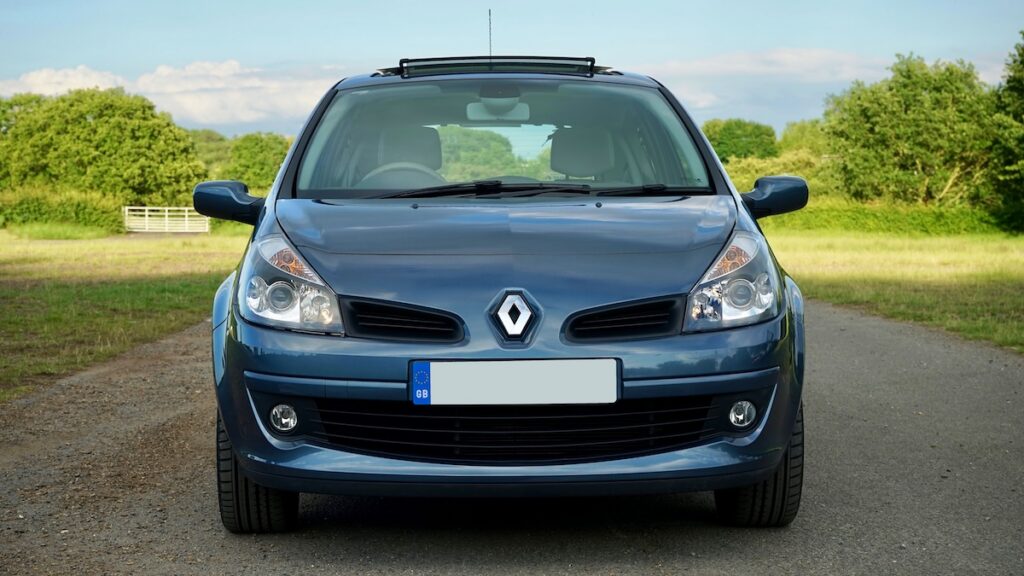
A new car has no previous owner and usually comes with a manufacturer’s warranty and the latest equipment, but it will generally cost more and can lose value quickly in its early years.
A nearly new or approved used car may offer some of those advantages at a lower price, although it can still cost considerably more than an older vehicle.
An older used car is likely to be the realistic starting point for many first-time buyers. You may get more choice within a modest budget, but you will need to check its condition, MOT record and service history carefully.
The right option depends on your finances and how long you intend to keep the vehicle.
Where to buy your first car
Although you might find a car through a website or app, it could still be sold by a dealer or a private seller. This matters because your rights and the checks you need to make will depend on who you buy it from.
| Buying route | Potential benefits | Points to consider |
| Main or franchised dealer | Structured process and possible approved-used scheme or warranty | Prices may be higher; check the agreement |
| Independent dealer | Wide choice across different prices | Research its reputation and warranty terms |
| Private seller | A lower asking price may be possible | Less protection and more checking for you |
| Online purchase | Convenient access to a broad choice | Confirm the seller and verify the car before paying |
Buying from a dealer
A car dealer may suit you if you want a more structured process. Check the dealer’s reviews, what is included in the price and whether the car comes with a warranty.
Do not assume every car warranty is the same. A warranty may cover the cost of certain faults or repairs for a set period, so check what is included, how long it lasts and whether there are claim limits.
Buying from a private seller
A private sale may cost less, but you will not have the same protection as when buying from a dealer. Make sure the seller is entitled to sell the car, that they describe it accurately, and that the vehicle is roadworthy.
Where possible, view the car at the seller’s home and check that their details match the documents. Take someone with you who knows more about cars, or consider paying a mechanic to inspect it before you buy. Be cautious if the seller will only meet elsewhere or appears to be selling several cars while claiming not to be a trader.
Buying through an online marketplace
Marketplaces make it easy to compare prices, but an attractive advert is not proof that the car or seller is genuine. Do not transfer money simply to “secure” a vehicle you have not verified, and be wary when the price is far below similar cars.
Auctions are another option, although their terms and fast decisions may make them less suitable for an inexperienced buyer.
Checks to make before viewing a used car
A few online checks can save a wasted journey and help you identify questions to raise with the seller. Ask for the registration number, make, model and MOT details, then compare them with official records.
Before arranging the viewing:
- Check the vehicle information and MOT history on the government website
- Look for mileage inconsistencies, failures and recurring advisories
- Check for outstanding safety recalls
- Ask to see the V5C registration certificate or log book
- Ask about the service history, spare keys, modifications and reason for sale
- Consider a paid history check for outstanding finance, theft or write-off records
- Obtain an insurance quote for that registration
A clear history check doesn’t guarantee the car is mechanically sound. It supports an inspection rather than replacing one.
What to look for when viewing and test-driving the car
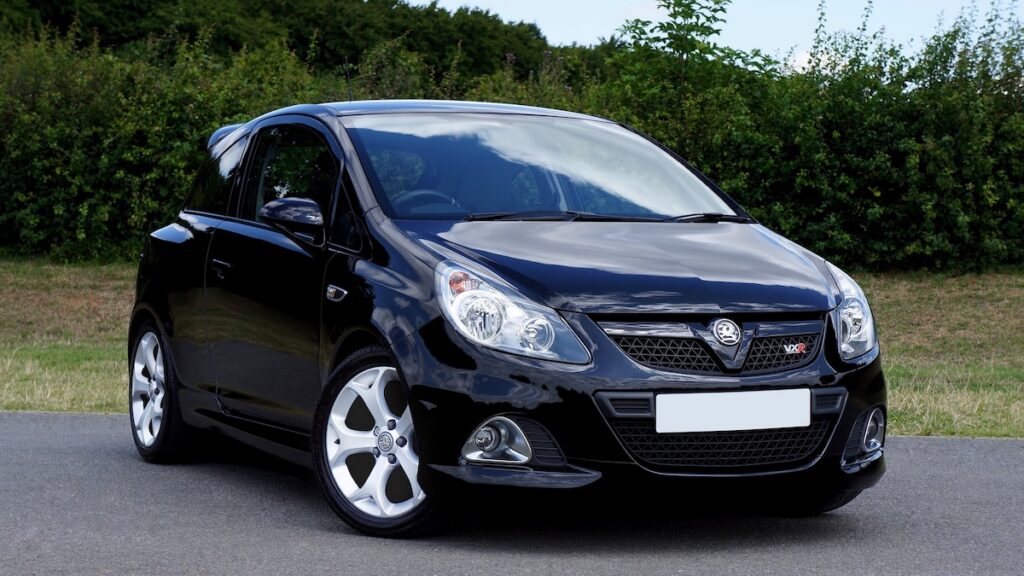
Arrange the viewing in daylight and, if possible, when the car is dry, as rain and poor light can make damage harder to spot.
Checks while the car is parked
Walk around the car and look for dents, rust, cracked lights, windscreen damage and paintwork that does not match. Check the tyres for damage or uneven wear, and look underneath for signs of leaks.
Inside, test the lights, windows, heating and other controls. Check that warning lights go out after the engine starts, and make sure the mileage is consistent with the MOT and service records.
Ask for the engine to be started from cold where possible, as this may make unusual noises or starting problems easier to notice.
What to check on the test drive
Before you drive, make sure you are insured before driving the car rather than relying on the seller’s word.
Pay attention to how the steering, brakes, clutch and gears respond. Listen for unusual noises and notice any vibrations, warning lights or problems when accelerating and slowing down.
Do not feel pressured to buy if something does not seem right or the seller cannot explain it clearly.
Understand your rights before paying
Your rights depend partly on whether you buy from a dealer or a private seller.
When you buy from a dealer, the Consumer Rights Act 2015 requires the car to be of satisfactory quality, match its description and be fit for any particular purpose you made known to the seller. This does not mean an older car must be perfect or that every later repair is the dealer’s responsibility. Its age, price, mileage, description and any faults disclosed before the sale can all be relevant.
A dealer cannot remove your statutory rights simply by describing the car as “sold as seen”. If a problem appears, the options available will depend on the fault, the circumstances and how soon you report it.
Your protection is more limited in a private sale. Keep the advert, messages, receipt and any written claims made by the seller. If something seems inconsistent or unclear, do not feel pressured to go ahead.
What to do when you agree to buy
Do not let the excitement of getting the keys make you rush the handover. Check the details one last time and confirm what is included in the agreed price.
Follow this sequence:
- Confirm the final price, vehicle details and anything included.
- Get a dated receipt showing the buyer, seller, registration number, amount and payment method.
- Pay through the agreed secure method and check bank details before transferring money.
- Make sure the seller notifies DVLA and gives you the green new keeper slip.
- Arrange appropriate insurance to begin before you drive.
- Tax the vehicle in your name using the new keeper slip.
- Check that the vehicle is legal to use before leaving.
Vehicle tax does not transfer from the previous keeper. You must tax a vehicle you’ve bought before driving it, or make a Statutory Off Road Notification (SORN) if it will be kept off the public road.
Be wary of unusually cheap insurance sold through social media or messaging apps, as the Financial Conduct Authority warns that ghost brokers target young drivers with fake, invalid or short-lived policies.
Should you buy a car before passing your test?
You can buy a car while still learning, and it may be useful if it gives you regular supervised practice outside lessons. Before committing, consider how close you are to taking the practical test and use a driving test checklist to identify anything that still needs work.
The car will need to be roadworthy, taxed where required and correctly insured. The government website states that if you practise in a car you own, you need your own insurance as a learner driver. In somebody else’s car, you must be covered either by its policy or by suitable learner-driver cover.
Buying early may not be worthwhile if the car will sit unused while you pay ongoing costs. Compare the value of extra practice with the cost of owning it before test day.
Take your time before saying yes
A suitable first car is one you can afford to buy, insure, run and maintain. It should fit the journeys you make and feel manageable from the driver’s seat.
Do not be afraid to ask questions, arrange another inspection or walk away when the documents, vehicle or seller do not feel right. Another car will come along, and a careful decision now can prevent stress later.
Car insurance from Sterling
Whether you’re a learner driver gearing up for your test or a young driver who’s recently passed, we can help you find the right cover. Speak with Sterling by calling us on 0344 381 9990 or book a callback at a time that suits you.