
If you’re learning to drive, you may be wondering whether it’s better to learn in a manual car or an automatic. Here we look at the pros and cons of learning in both so you can make an informed decision on what is best for you.
There are many benefits and drawbacks of learning in each, so this guide is designed to lay them all out for your perusal.
What are the pros of learning in a manual car?
There are many pros to learning in a manual car.
You can drive any car
The biggest advantage of learning to drive in a manual vehicle is that, after you have passed your driving test, you will be able to drive any car. Learning in an automatic will restrict you from being able to drive a manual vehicle once you’ve passed, which will limit the cars you can drive on the road.
Easier to control
Driving a manual car is often considered to mean you have more control over the vehicle itself. You will have the ability to change gears, making it feel more responsive, and this typically offers a more enjoyable driving experience.
A manual is also considered better for navigating challenging weather conditions that you are likely to encounter in the UK. Driving in the snow, ice and heavy rain will be easier than in an automatic. This is because you will be able to manually shift into a lower gear to enhance your tyre grip.
Lower running costs
Manual cars generally are more economical to run, with car insurance, purchase price of the vehicle itself and repairs all being lower compared to the same model with an automatic gearbox. This can be particularly beneficial for learner drivers buying their first car.
On top of this, manual driving lessons are more affordable compared to automatics, which is extremely helpful as a learner driver of any age.
What are the cons of learning in a manual car?

In spite of their many positives, there are some negatives to learning to drive a manual car.
It is harder to learn in a manual car
Learning in a manual car can present more challenges than learning in an automatic. This is because you will need to master the clutch pedal. This will require significant time and practice due to the increased complexity of finding the biting point when shifting through the gears.
This extra layer can make learning to drive more challenging, and may require you to need more lessons.
Gear changing requires more focus
One of the most common areas that learner drivers struggle with when learning is being able to change gears while simultaneously controlling the wheel and keeping their eyes on the road.
Driving in a manual will require you to master this skill more, which may lead to more lessons and ultimately more money spent on driving lessons. However, in the long run, it will be more beneficial to spend a little extra cash when learning due to the money you will save from driving a manual after you’ve passed.
What are the pros of learning in an automatic car?
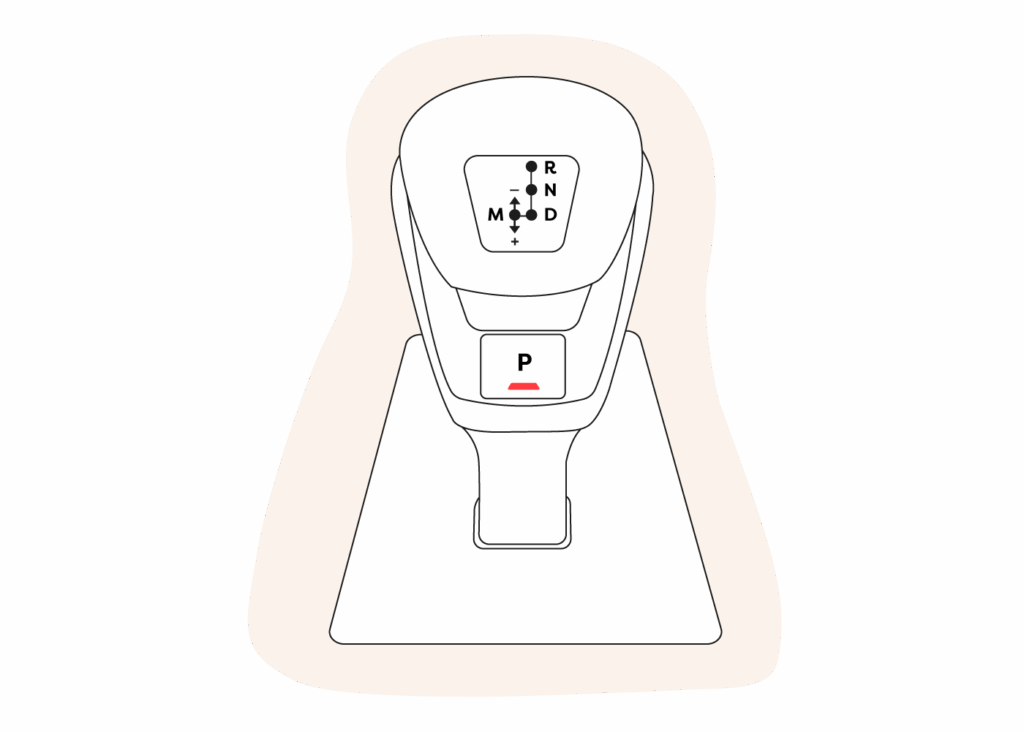
If you don’t feel confident with all the extra things you need to learn in a manual, passing your test in an automatic might be the best option.
Getting to grips with the controls can be easier
Automatic learning will offer a much simpler experience when learning to drive compared to its counterpart. This can help you focus on other aspects of the learner driver process, such as hazard perception and learning manoeuvres.
Having no gears to shift through will also make your driving experience feel smoother and may give you a boost in confidence.
You can maintain two hands on the wheel
As you will not have to change gears manually, you will be able to keep two hands on the wheel at all times when moving the car. Having both hands on the wheel can help you maintain control over the vehicle.
You don’t have to master the clutch pedal
Mastering the clutch pedal is perhaps the hardest thing to master when learning to drive. Not having this will make your life infinitely easier. You will find that it’s impossible to stall, leading to hill starts becoming simpler, and you won’t have to find the biting point, something that a lot of students find the hardest thing about learning to drive.
What are the cons of learning in an automatic car?
There are a few negatives you might want to consider.
You’ll only be allowed to drive automatics
As mentioned earlier, if you learn in an automatic, you’ll be limited to driving automatics for the rest of your life, considerably reducing the number of cars you can purchase after you pass your test.
Automatic cars are more expensive
Believe it or not, automatic vehicles come with a higher purchase price. Not only this, but the repairs for this type of vehicle are more expensive and so are lessons and car insurance.
It’s harder to find a driving instructor
Automatic lessons are generally harder to come by, with most driving instructors using manual vehicles to teach learner drivers.
Not only that, but automatic driving lessons are more expensive than manual. This is due to there being fewer automatic instructors, so as they are in higher demand, they can choose to raise the price of their lessons.
Insurance for learner drivers
For any learner ready to start learning behind the wheel, be it manual or automatic, Sterling can make sure you’re insured properly.
Call us on 0344 381 9990 for a quick, no-hassle quote or book a callback at a time that suits you.