
Driving on the right-hand side of the road for the first time can be scary, especially when doing so in a right-hand drive (RHD) vehicle.
If you’re taking your own UK car to Europe, it’s not a case of simply getting behind the wheel and driving normally. There will be some adjustments that you need to make.
Before going abroad, it’s important to note that most countries in Europe drive on the right-hand side of the road.
Knowing you can safely drive on the opposite side of the road to what we do in the UK, in a car that’s been built to drive on the left side of the road, is important. That’s why we’ve put together an eight-point checklist on some of the topics you may want to think about before you set off on your journey.
Overtaking on motorways will be different
Driving on motorways and dual carriageways will see the overtaking rules flipped from how they are in the UK. In the UK, the ‘fast lane’ is the furthest on the right, whereas throughout most of Europe it will be on the left-hand side.
This means when overtaking traffic, you will be going past vehicles on your left as you switch lanes safely. This can take some getting used to as there is a reason why European drivers sit on the left side of the vehicle. It is to make sure they can see fast-moving traffic properly when performing this manoeuvre.
Make sure you check your blind spots carefully before overtaking on the left. If you’re driving with a passenger, it might be a good idea to enlist their help.
Be careful on roundabouts
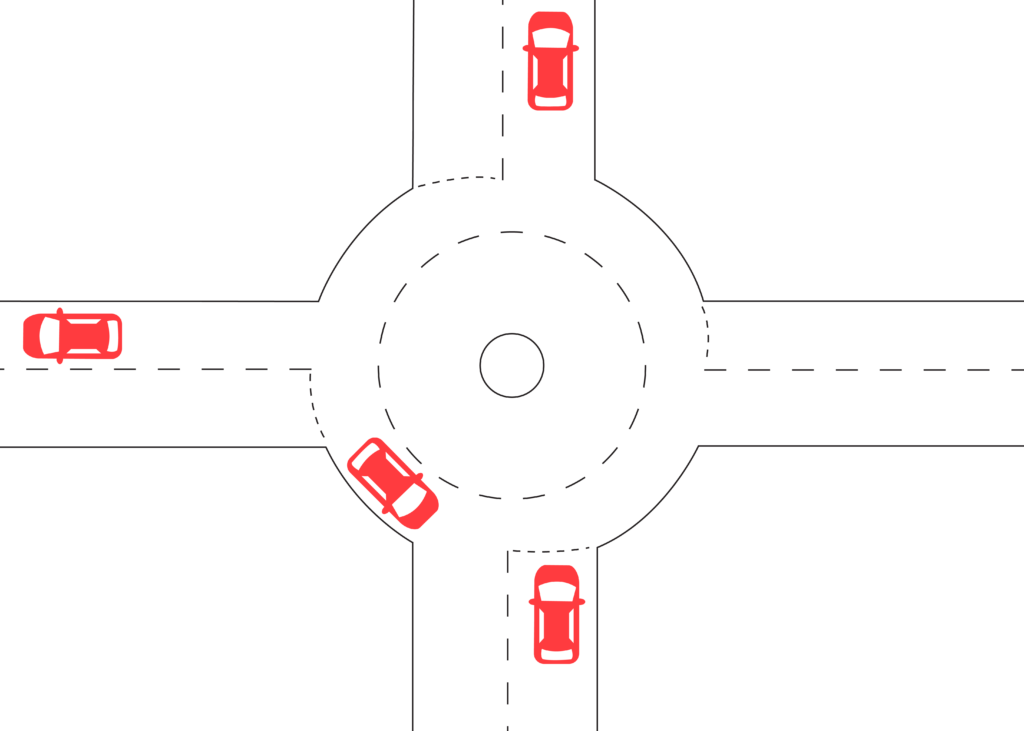
You will also need to remember that roundabouts go counter-clockwise in Europe. This means you will need to give priority to cars already on the roundabout coming from the left, as opposed to the right. So be sure to take extra time when approaching these and ensure you are only entering the roundabout when there is a large and safe gap to do so.
When driving a right-hand drive car in Europe, you’ll need to be more vigilant of blind spots when exiting the roundabout. Check and double check for any cyclists or cars on your left.
Be mindful of toll roads and parking
Tolls will be set up for left-hand drive cars, so if you are travelling with a passenger, it’ll be easier for them to pay the toll fee when you approach. If you are driving on your own, it can be a pain to have to lean across when parked up safely to pay the fee.
Luckily, there are some tolls in Spain, France and Italy, for example, that have lanes at booths where you can use electronic tags, such as the Emovis Tag. These allow you to pay without having to lean or get out of your car. You can pre-purchase one before your trip and stick it to your vehicle.
Parking should not cause too much of an issue, but at certain car parks, you may have to get out of the vehicle or ask a passenger to grab a ticket from the machine when entering or insert the ticket when leaving.
Be careful of blind spots
Blind spots are always an issue, but even more so when driving a RHD in Europe as you will not be used to where they are. You will notice significant blind spots on your left-hand side, especially when at junctions and merging or changing lanes on the motorway.
Rather than just relying on your mirrors, you should ensure you are checking over your shoulder as well. Remember to always look twice in each direction at junctions and be alert that the rules of the road are flipped.
It may be a good idea to buy blind spot mirrors that you can attach to your wing mirrors, particularly on the left-hand side, as this will improve your view of the road.
Stick to your lane
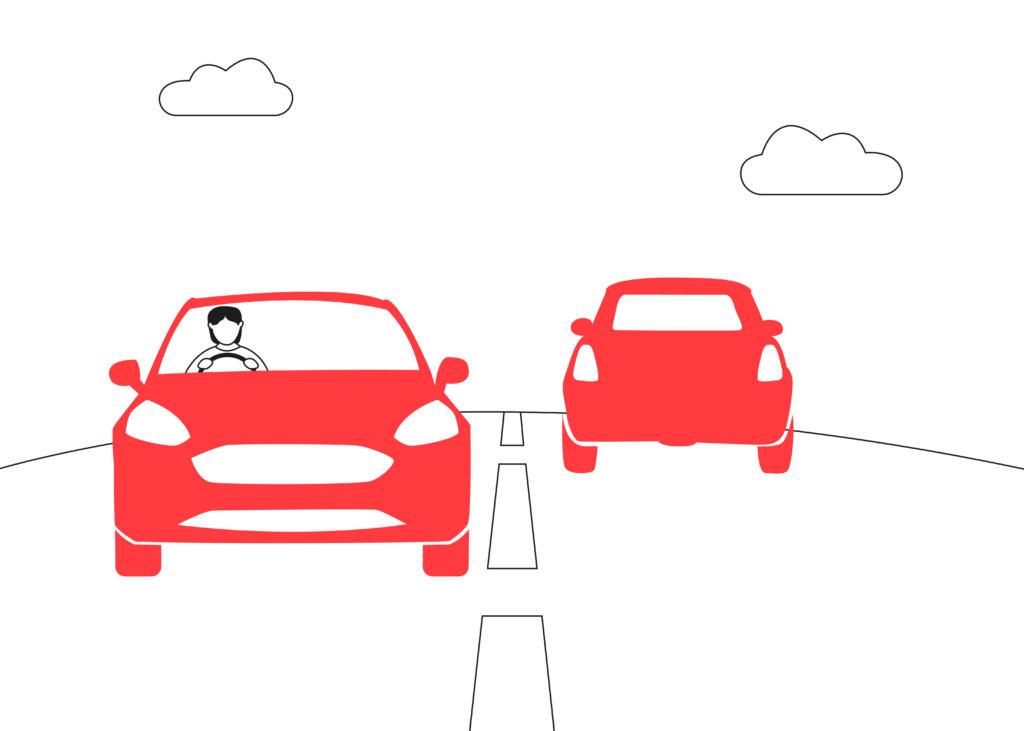
Staying in your lane is something you should be doing in the UK, as well as in Europe. But it’s important to remember to stick to the right-hand lane when driving on the continent.
At home, you will be used to staying to the left, but it’s important to remember to stay on the right when behind the wheel abroad.
Convert headlights and other equipment before you travel
When driving in Europe you will need to ensure that your RHD headlights are adjusted. In the UK, cars’ headlights aim to the left to provide light to the curb, but in Europe this will cause issues to oncoming traffic.
You will need to either apply deflector stickers before you drive in Europe to avoid a fine, which you can buy at car shops in the UK, at ferry ports or the LeShuttle (formerly known as the Channel Tunnel). Some modern cars will also allow you to adjust the headlight manually, so check your manual to see if you can do this.
There are also a number of compulsory rules you will need to follow when driving in certain European countries, such as UK stickers – GB stickers have become redundant since 2021, so you’ll need to take them off if you have any. You must display a UK one on the rear of your vehicle, unless it has a Union flag to identify its from the UK on your number plate.
However, stickers are still mandatory in Cyprus, Malta and Spain, even if your number plate states you’re from the UK. If you have GB listed on your plate, a European symbol, a flag of either England, Wales or Scotland or no identifier at all, you will still need a UK sticker.
There are also a number of different items of equipment you will need to take with you, so it’s always best to create a checklist and check official guidance before heading to our European neighbours on what you will need to take with you.
Remember that road signs will be in kilometres per hour
When driving in Europe, you will find most countries will use kilometres per hour (km/h) as opposed to miles per hour (mph) in the UK. Some places will also have slightly higher speed limits on their motorways.
Some countries, such as France, will also see the speed limit drop on motorways automatically when it starts raining.
It’s important to be mindful of ensuring you are always sticking to the speed limit when driving abroad, just like at home. Remember that your speedometer will be in miles, but road signs will be in kilometres. In some modern vehicles, you can change the speed display from mph to kph during your trip, or if you have a sat nav, most can be changed to metric. Some vehicles with sat nav built in can automatically convert kph speed limits to mph if you find this easier.
Look up the rules of the road
Before travelling abroad to a new country for the first time, it’s a good idea to look up the driving rules for where you are visiting. While you will be used to driving on the right-hand side of the vehicle, most European countries drive on the opposite side of the road, which can throw you off if you’re not used to it.
European car insurance
When driving abroad in Europe, you will need to ensure you have European car insurance to give you protection and peace of mind should the worst happen.
Sterling also offers a range of car insurance policies for every type of car, van and campervan with European Union cover available. Call us on 0344 381 9990 for a quote or request a callback at a time better suited to you.