
After five years and 23 countries in a tiny home on wheels, Alice of Spindriftvan gives her list of lesser-known, but utterly amazing spots to travel to in your van on a European road trip.
Here, she lists her recommended undiscovered gems and details the order she advises you visit them in. You can even squeeze them all into one epic adventure.
West coast of Portugal
Portugal used to be a haven for ‘vanlife’, but as legal restrictions grow on where you can park, it can seem less possible to enjoy this beautiful country and its equally warm people in a van.
However, if you resist rushing straight down to the famous south coast of the Algarve, you’ll discover the gem that is Aljezur, on the west coast. Its Arabic name al-Yazira means ‘the island’, revealing both its five historic centuries of Arab and Berber rule, and the fact that it’s surrounded by rugged cliffs, beautiful beaches, and the river Ribeira de Aljezur, which was once a port for the old Almoravid Empire.
Arrifana Beach is great for surfing and you can rent a board if you’ve not got one. Monte Clerigo is another stunner, Praia Da Amoreira has big tidal pools and Vale Figueiras is often the quietest and most wild-feeling in my experience. There is free beach parking at most of these and wooden steps down to many of them too, which makes carrying boards down dunes a bit easier.
The best seeded gluten free bread I’ve ever eaten comes from Roots Aljezur, an amazing cafe with traditional soups. Each weekend is the local market with food, handmade textiles and tinctures and a Brazilian bakery stall with the tastiest pão de queijo (cheese bread) – arrive early because it always sells out.
Beaches and coastline roads where the best surf and the prettiest camp spots would be, are protected National Park, and wild camping bans are strictly enforced. But just into the mountains behind the village is Quinta Alma, an ecological retreat farm, designed under the principles of Permaculture to serve the environmental and human regeneration.
I lived and volunteered here for three months and made some incredible friends and learnt so much about permaculture techniques and ate wonderfully. Communal cooking and living is so precious after months solo in the van.
They have canvas tents and wooden cabins, a swimming lake, animals and I can’t recommend enough that you visit this wonderful family and their awesome community project.
Southern Portugal is blessed with 300 sunny days a year, but the summer months are busy with tourists. So, I love travelling in this wonderful country in October, when the surf is good and the tourists have left. Or between February and May to watch spring arrive and enjoy 15-19C temperatures.
May is also urchin season, so bring some sea shoes or wetsuit boots and head to the local town of Ericeira (Europe’s only UNESCO World Surfing Reserve) for their annual International Sea Urchin Festival. I could easily (and have) spent months in Aljezur and the surrounding mountain. But, if you’re on a shorter trip, I’d recommend three of four days here, enjoying the different beaches and coastal walking trails in the day, and then exploring the local surf towns of Ericeira, Lagos and Sagres while you’re in the area. There is an amazing second-hand English book shop and library in Lagos called ‘The Owl Story’.
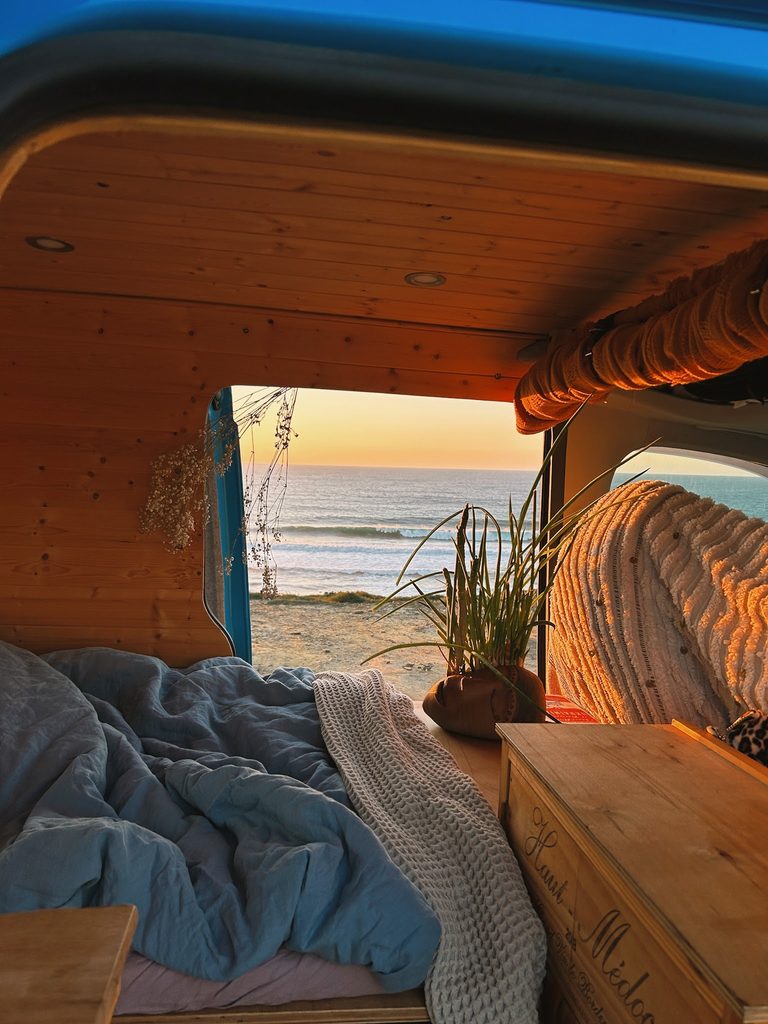
Pyrenees
The Pyrenees are a mountain range on the French-Spanish border, and are 430km long, with peaks up to 3,400m. There is the tiny country of Andorra hidden in the mountains there too.
While so many flock to Chamonix, France, or the Dolomites, Italy, the Pyrenees can be an equally beautiful, but much quieter option for people who want mountains, hiking, climbing and alpine culture.
There are two National Parks on the French side, and two on the Spanish, plus nature reserves on both. So you’re spoilt for choice. Some popular natural beauty spots are Lac De Gaube, les Lacs d’Ayous and Pic du Midi D’Ossau, Les étangs de Rabassoles, Lac d’Ansabère, Lac du Montagnon and the thermal baths in the spa town of Cauterets.
You will be driving on mountain roads with hairpin bends and unpredictable weather (with sheep and other livestock on the road). In the French Pyrenees, it’s a legal requirement to have winter tyres (with the Three Peak Mountain Snowflake symbol) or to carry snow chains (or preferably both) from 1 November to 31 March. Andorra requires this until 15 May.
Sleeping in your van is tolerated in many non-restricted areas, as long as you stay within the vehicle footprint (no tables, chairs, roof-tents, awnings), but is not allowed at all in National Parks. However, you’re likely to hike in the Pyrenees, and there are lots of mountain huts and refuges that you can stay in and hike hut-to-hut.
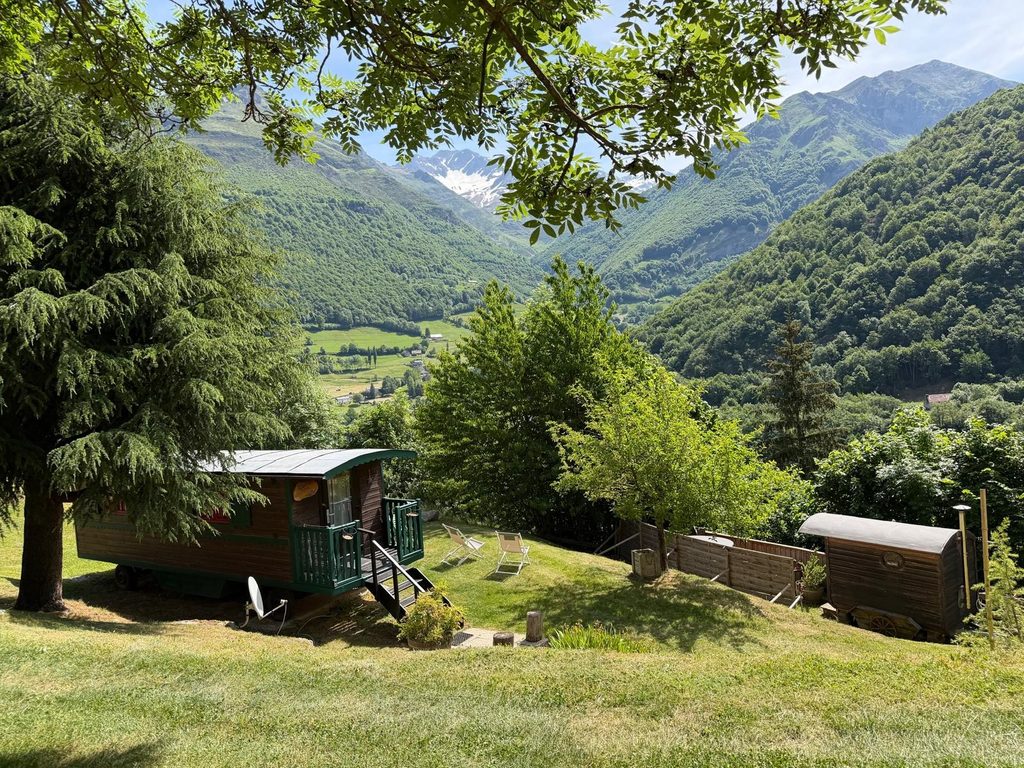
A beautiful place to park the van is ‘Camping Les Tilleuls’, which also has some shepherd huts in case you’d like to treat yourself, or have friends without vans meeting you there. Near Forêt d’Iraty, there is a free spotless shower block and water stop along the road in beautiful countryside scenery. A combination of respectful wild camping and campsite use is possible.
You could happily spend between two and three weeks in the Pyrenees, crossing between the French and Spanish borders, doing a mixture of staying in mountain refuges and in the van.
I’d recommend summer, as there is still some snow leftover in spring and the temperature (which is always colder at altitude) is perfect in the summer, but can be pretty rugged beforehand.
Early autumn before the first snow falls is also lovely and the trees get their fiery colours. Driving in France requires you to have a high-vis jacket for each passenger, a warning triangle, headlamp beam deflectors or stickers, a UK sticker and a Crit’Air clean air sticker if driving in ULEZ zones.
Italy
I was born in the mountains in north Italy, but despite being completely biased, every friend I have taken in my van has agreed it is absolutely mind-blowing in the mountains. It’s so full of life and love in the towns and villages. I have a million places in the north that I love, and the south (Naples, Puglia and Sicily etc.) get plenty of attention.
So, I’ve picked a spot right in the middle of Italy which I discovered completely by accident and remains one of the most special 24 hours I have ever spent in my van: Castelluccio di Norcia in Monti Sibillini National Park.
Perfect for frolicking, there are epic hikes, paragliding and rafting, but the quiet beauty makes this area ideal for just slowly wandering, having picnics and exploring.
The plateau has the most incredible bloom of poppies in spring and early summer, which makes huge areas brightly coloured. There’s also a glacial lake with a species of ‘fairy shrimp’ not found naturally anywhere else in the world.
This area is known for its lentils, so definitely try some. There are only 100 or so residents following a very destructive earthquake about 10 years ago, so please support the locals and eat and drink from their trattorias (family run restaurant, using just a few local ingredients) and shops.
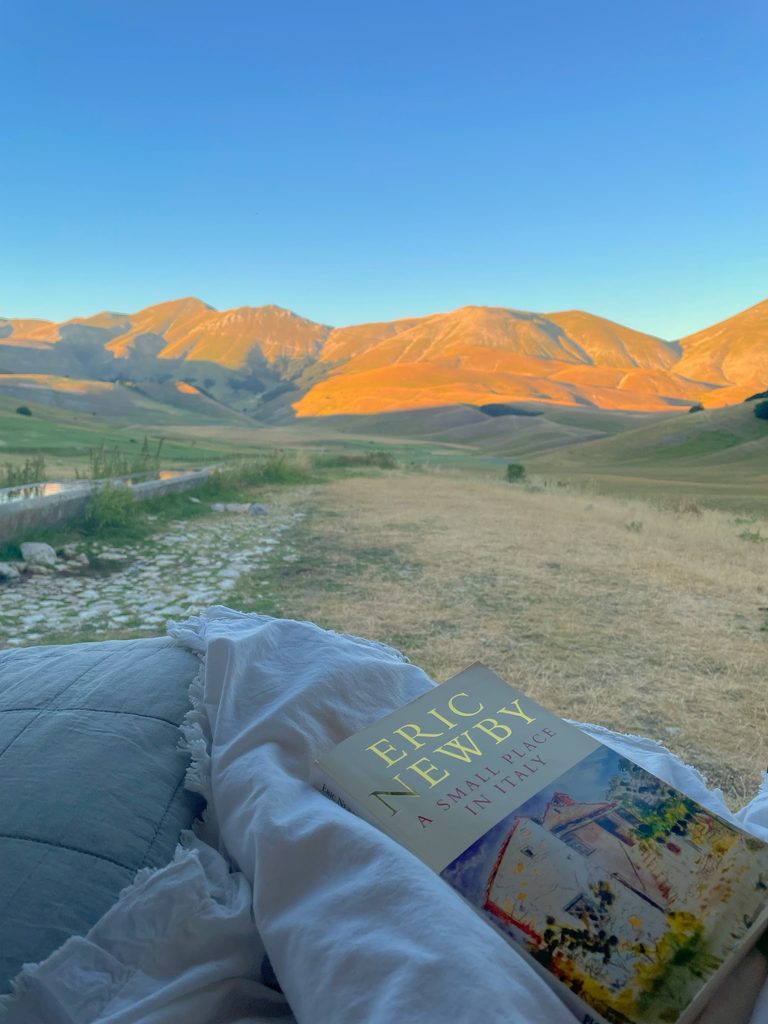
I wildcamped in my van in a plateau in the valley. Some of the farmers will give permission for you to stay for a night, if you’re self-sufficient and ask beforehand. There is also an app called ‘Agricamper Italia’ where agriturismi all over Italy offer a spot for vans to stay. All they ask for in exchange is that you buy some local produce from them (wine if they’re a vineyard, cheese if they’re a dairy farmer etc.).
You could see most of the area within two days, exploring the village and the lentil and flower fields one day, and the next in the National Park. If you weren’t in a rush, you could easily spend much longer in the peaceful beauty of the latter.
If you’ve got the budget for it, it is the spot to paraglide. There are guides who will fly you in tandem over incredible landscapes. May and June is the perfect time to go to see the flowers in bloom.
Krk, Croatia
The island of Krk has 200km of coastline and over 100 beaches. Many of them have no road access, so if you make the effort to walk on the trails, you’ll most likely find one you can enjoy all by yourself.
It’s one of the most biodiverse places with countless endemic species, and is home to the endangered griffon vulture, which thrives here and can be seen circling above almost everywhere. There are five climbing crags, 300km for trail walking or trail running, sailing boats for hire, vineyards and a lovely, relaxing pace of life.
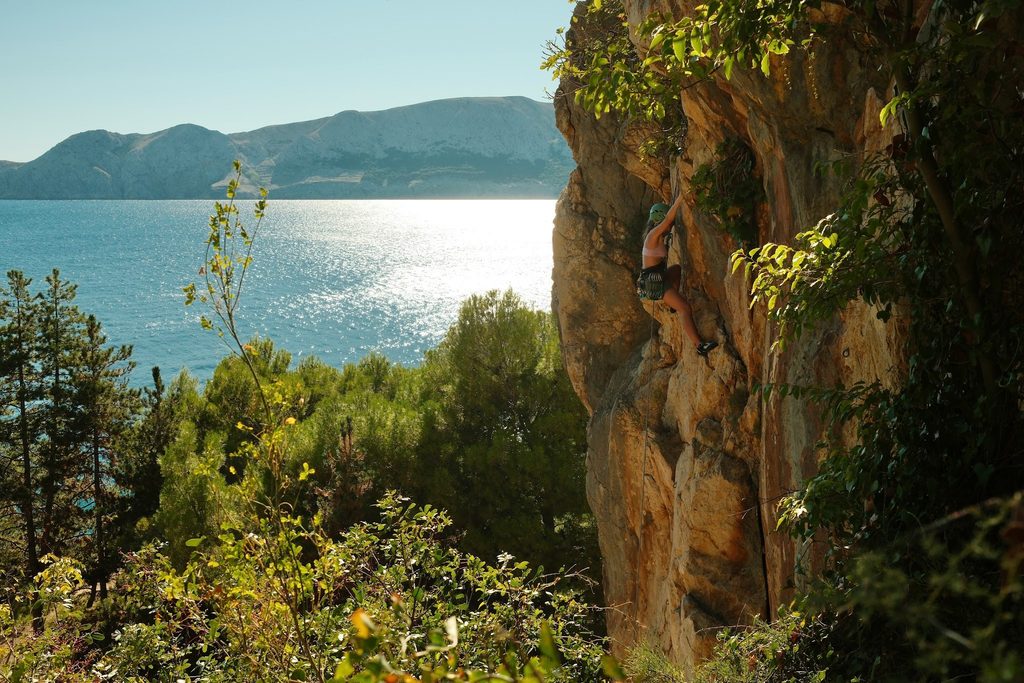
I’ve been here several times at the end of September and the temperature is about 24C in the day, so avoid the summer crowds and prices and visit at the end of the season.
If you’re a lover of running or hiking, there are two ‘outdoorsy’ festivals held on the island too. Love Trails Croatia, which has a big UK audience and a sister festival in Wales, and the Baška Outdoor Festival.
Wild camping in vans is heavily punished on the island, but there are plenty of campsites that are affordable (a pro tip is to get an ACSI card for €21, which gives you 20-60% off at most Croatian campsites!) and feel secluded and natural still.
Some of the best camps for parking right on the water’s edge and under the trees are actually naturist camps (where it’s obligatory to be in the nude), which isn’t for everyone, but does feel very natural after a while if you’re comfortable enough to give it a try.
Camping Bunculuka joins onto a stunning beach with turquoise water, while Konobe has secret shady spots in the forest on the water’s edge, and Valamar Baska is in the main seaside town, if you want to be in the centre of the action.
I have spent a week on Krk each time I’ve visited, which feels like an ideal amount of time to mix adventure and relaxation. Given how much of Croatia borders Bosnia and Herzegovina, this is the ideal time to visit both.
When looking for a camp spot, always keep an eye out for shady trees. The direct sun by the coast can feel relentless, even to sun lovers.
Bosnia and Herzegovina
I first visited Bosnia and Herzegovina alone last year and I’m currently writing from there now, where I’m back with my partner and our friend – I’ve spent the last year raving about how wonderful and beautiful this place is.
Bosnia and Herzegovina is so friendly. The people are so appreciative of you learning a few words of their language and so willing to teach you more. The nature is really impressive – 60% of the country is covered by forest, including Perućica, which is one of the last remaining primeval old-growth forests in Europe. It’s around 20,000 years old and has been developing uninterrupted since the last Ice Age, providing a habitat to brown bears, wolves, lynx, chamois, wild boar and nine species of woodpecker.
Bosnia and Herzegovina has a very complex history, with many wars and a genocide that only ended 30 years ago, so I would really recommend doing some reading or listening to some podcasts on these lands, so that you arrive with some understanding of the experiences Bosnians may have had. There are really informative museums too.
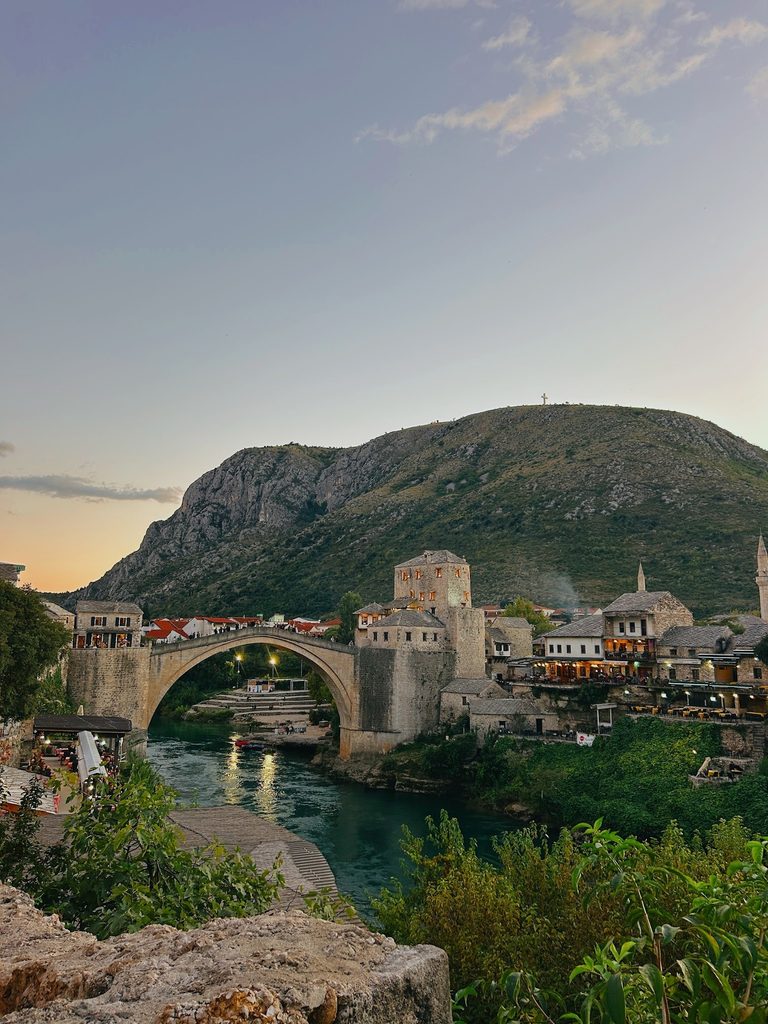
Prenj, sometimes called the Bosnian Himalayas, is home to 11 peaks over 2,000m, wild horses, Balkan chamois, golden eagles, brown bears and wolves. Blagaj is a nearby climber’s dream with 250 sport climbing routes, a community climbing festival, and a permanent hangout spot for climbers with communal cooking and donkeys. The river Neretva flows through most of the south and is regarded as one of the coldest rivers in Europe.
There are still unexploded mines left over from the conflicts, so if you see sticks painted red, skull and crossbones or red tape, don’t go any closer. In the countryside and mountains, ask locals about the locations of the former confrontation lines and stick to marked paths. Don’t let this put you off though – just be sure to follow the official guidance.
Wild camping is widely tolerated and my favourite spots are along the rivers, so that you can wash in the mornings. Even if you’re not into fishing and don’t have a rod, it’s worth taking some a line and a hook. You need a license to fish in the Neretva river, which will cost you about €10.
There are lots of mountain huts that are free to stay in too. Some are purely for fun and some act as emergency shelters for hikers caught in bad weather as well. Check whether you need to collect a key from the local Mountain Rescue team before you begin your hike there.
The first time I came to Bosnia and Herzegovina, I spent one week there. I saw Mostar, did a via ferrata in Blagaj, swam in the Neretva and saw the Kravica waterfalls. I had an amazing time, but I knew I wanted to come back for longer.
After three weeks this time, I’ve felt able to explore the canyons in the north west near Banja Luka. I visited Sarajevo and spent several nights in mountain huts with friends that I made in the south in Blagaj. This country is a wonderful place to meet other travellers. Summer can be unbearably hot for climbing and intense hiking, but September and October have always suited me wonderfully for sunny, comfortable days – just watch out as the nights are cold in autumn.
Recommended route if you have time for them all
My first trip to Europe in the van was three months long, and this is the route I took!
- Portsmouth to Santander – 36 hour ferry with Brittany Ferries
- Drive along the north and west coast of Spain (visit Picos de Europa and Finisterre)
- Enjoy the full length of Portugal and its south coast
- Cross into Spain, before visiting Gibraltar and going back to Spain
- Reach the Pyrenees on the Spanish and French border
- Travel through the south of France into Italy and eat your way through the mountains and towns
- Once you get to the south of Italy, get the ferry from Bari over to Dubrovnik and cross into Bosnia and Herzegovina
- Explore Croatia and Slovenia as you travel north again
- Travel back via Italy, Austria, Germany, Luxembourg and Belgium until you reach France
- Cross the channel by ferry from Calais to Dover, or LeShuttle from Calais to Folkestone
Campervan insurance, with EU cover included as standard
Whichever European country you plan on driving to, be it France, Spain, Portugal or another, you will need to ensure you have the right campervan insurance.
Sterling can help you find policies that can cover you in Europe for up to 90 days as standard, or even a full 365 days on the road if you’re looking at the trip of a lifetime.
We can also find policies with European breakdown cover and annual van life insurance for trips, so you can have peace of mind on your next road trip.
Call us on 0344 381 9990 for a quick, no-hassle quote or book a callback at a time that suits you.