
We all know that having appropriate car insurance is a key part of getting yourself onto the road, but what happens when you’re trying to insure a vehicle that you’ve borrowed from someone else?
Whether you’re using your parents’ car while you save for your own, or loaning from a friend just for the day, this guide will help you figure out how to be properly insured.
What happens if you drive someone else’s car uninsured?
It can be tempting to just borrow a friend’s ride quickly or pop to the shops in your mum’s car while you’re visiting, but this could have consequences. It’s actually against the law.
If you’re caught driving uninsured, you could face a £300 fixed penalty, six points on your licence, and in more serious cases, you could even end up in court. Always make sure you have the correct insurance before getting behind the wheel—it’s not just common sense, it’s a legal requirement.

What to do before driving a borrowed car
Make sure you complete this checklist before you get behind the wheel.
Get permission
Of course, if you’re using someone’s vehicle, you will have to ask them if you can. It may be worth even having written permission from the car’s owner just in case.
Check the car
This isn’t just about suitability, it’s about safety. You’ll want to make sure everything is in working order, including the brakes, lights and indicators. If any of these aren’t working, it’s actually illegal, so you wouldn’t want to be the one caught in a vehicle where they’re not working. We also recommend you take a look at the tire tread depth and pressure.
Ask the owner if the car has a valid MOT to fully ensure safety before driving.
Ensure eligibility
Even with permission, you might not be eligible to drive that specific vehicle. It’s a given that with any car, if you don’t have a valid driver’s licence, you won’t be able to drive it. If you are borrowing a specific vehicle like an HGV, you’ll need a specific licence to drive that too.
Your licence has codes on the back that indicate whether you can or cannot drive certain vehicles so make sure you check those to see what you’re eligible for. If in doubt, contact the DVLA and don’t assume.
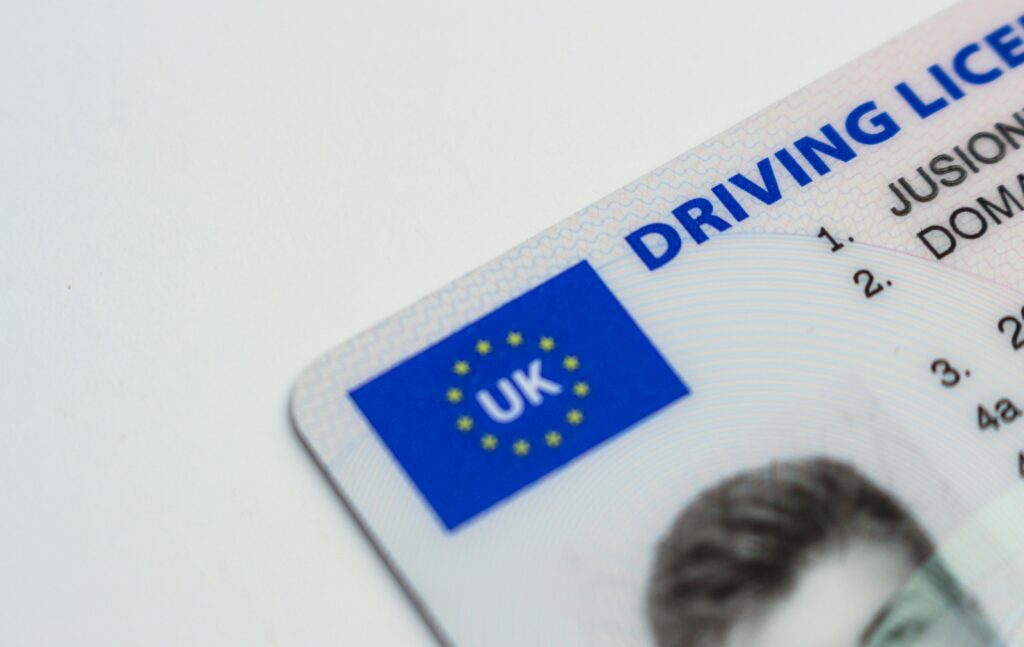
To be eligible to drive any vehicle, you’ll also need to be correctly insured, so make sure you check what your insurance offers, as every policy will have different restrictions. Cover can be found on your certificate and specifies exactly what you can and can’t drive.
What insurance do you need when borrowing a car?
If you’re borrowing a car, short-term insurance is the easiest way to make sure you’re covered. You’ll get similar protections and benefits with it, but for temporary periods, which can typically be anything between just an hour up to 28 days (but some policies will allow a couple of months of short-term coverage). Short-term policies are usually flexible, so they’ll give you a lot more freedom.
You can be put down as a named driver on the owner’s regular car insurance policy, but unless you’re sharing the vehicle for a long period of time, this isn’t really worth it. However, this may be ideal if you’ve had a partner borrowing your car occasionally, but they’ve now moved in with you and have more regular access to your vehicle.
For drivers-to-be, there’s learner insurance. These policies can temporarily cover you on the vehicle you’re learning in before you take your driving test.

Does your existing insurance cover driving someone else’s car?
It’s worth checking if your existing policy has DOC (Driving Other Cars) cover. Though less common these days, some comprehensive policies will cover you behind the wheel of a friend or family member’s car in emergencies or temporary situations. This will be at the third-party level, not fully comprehensive, even if your policy is. This benefit doesn’t cover cars you own yourself.
Because of this, if you’re involved in an accident, you’d be responsible for paying for any damage to the car you borrowed. The worst-case scenario? Borrowing a friend’s car and then getting stuck with a repair bill that your insurance won’t cover. So, we recommend always double-checking your policy document.
You’ll need to note that this isn’t the right option for you when regularly borrowing a vehicle. Be especially careful if you’re using a company car, because you’ll need permission from the owner of the car, and you may not know who this is. Be sure to check your documents as this benefit may also not cover any cars belonging to people living in the same house as you. If in doubt, ask your insurance company before driving.
Short-term insurance with Sterling
If you’re looking for temporary insurance that works for your circumstances, Sterling is here to help. We offer convenient short-term insurance that can cover cars or vans for up to a few months.
Get a quote by calling us on 0344 381 9990 or request a callback at a time that suits you.