
We asked issy.outside to put together a travel guide for those who wish to go on a British road trip. Here, this guide takes you through the stunning scenery of the Lake District.
The Lake District is one of my favourite places to visit in the UK. With so many mountains to climb, lakes to take a dip in, hidden gems to explore, and most importantly, lots of really good cafes for a flat white and a wedge of cake.
It’s the place I first went to in my van by myself at 18 years old, and three years later, I still go back at every opportunity.
It is important to note, that it rains for an average of 200 days a year in the Lakes, so go with a positive can-do attitude and a waterproof, as it might very well be a little bit damp. But on the days where the sun shines through, it’s absolutely phenomenal. It’s a beautiful place to go all throughout the year.
After lots of rain, the waterfalls are full and lively. In autumn, the leaves are a glorious palette of colours. In summer the fells glow green. In the spring, the bluebells come out and blanket the landscape. And in winter, the crisp frost and snow turns it into a winter wonderland.
This seven day itinerary is best suited to someone who wants to fully immerse themselves in the Lake District, and is also happy driving down lots of narrow roads, as this part of the world is full of them.
Day one – Arriving in the Lake District

Arriving in the Lake District, the first thing to do is stock up your van. There are limited supermarkets unless you’re in Keswick and want to stop off at Booths. Kendal is en route if you’re arriving from the south, so make sure to grab what you need beforehand.
Whenever I head to the Lakes, I head straight to Ambleside. The town and surrounding areas have enough to keep you busy for days on end.
Ambleside itself is a busy place full of outdoorsy shops. My favourite is Gaynor Sports, which is an outlet shop where you can get plenty of good deals on your outdoor gear. There is also a Go Outdoors, Tesco Express, and of course plenty of places to grab a coffee or food.
There is limited high street parking in places where you require a parking disc for up to one hour. You can get one of these for free from most of the high street shops. There’s also two big pay and display car parks in the town where bigger vans can park up.
Ambleside Rugby Club offers informal overnight van park ups on a first-come-first-served basis for a 24 hour period, costing £20. It’s worth noting, it can get very busy, especially on the weekends.
Day two – Visiting the Langdales
Head to the Langdales. This is quite possibly my favourite place in the Lake District. The road down to the Old and New Dungeon Ghyll car parks are quite narrow. It’s used by coaches and buses, so is most definitely wide enough, but it can be a tight squeeze, so drive slowly and carefully.
On the way to the Langdales, is Chesters By The River. This is the most amazing cafe, with a little gift shop on the side. It also has an unbelievable amount of sweet and savoury options for vegans, along with gluten free choices too. Both my parents are gluten free, so I always call by on my way home to grab them some cake.
The Langdales has both high and low level walk options, depending on your abilities.
On a dry day, Jacks Rake via Pavey Ark is a fun grade one scramble to complete. If you’re after a longer walk, there are a group of fells in the area which you can tick off on a circular route.
In the Langdale valley, there is a campsite suitable for both tents and vans, with fantastic facilities. Great Langdale Campsite is open for most of the year. There are 175 pitches, electric hook ups, camping pods, it welcomes dogs and allows vans and motorhomes up to six-and-a-half metres long.
Straight from the campsite you can walk to Blea Tarn, one of the most iconic spots in the Lake District, all within an hour-long circular. Stickle Tarn is a steeper walk and takes slightly longer.
Two fantastic pubs are within walking distance of the campsite too, so you can finish every hike with a crisp cold post-hike pint and a hot meal.
Day three – Road trip to Grasmere
You can either stay in the Langdales and make the most of the area (because the options are endless) or you can head on to Grasmere.
Grasmere is another quaint little village full of history, and is also where the famous poet William Wordsworth lived at Dove Cottage.
There’s plenty of pay and display parking for bigger vans. The School car park offers overnight parking for between £10 and £12 a night, and you must leave by 8am on weekdays during term-time.
You will find there is limited free overnight parking on a big lay-by outside of the village centre which is within a five minute walk to the main high street.
Toilets are available for a 60p fee in the main village and also in the school car park.
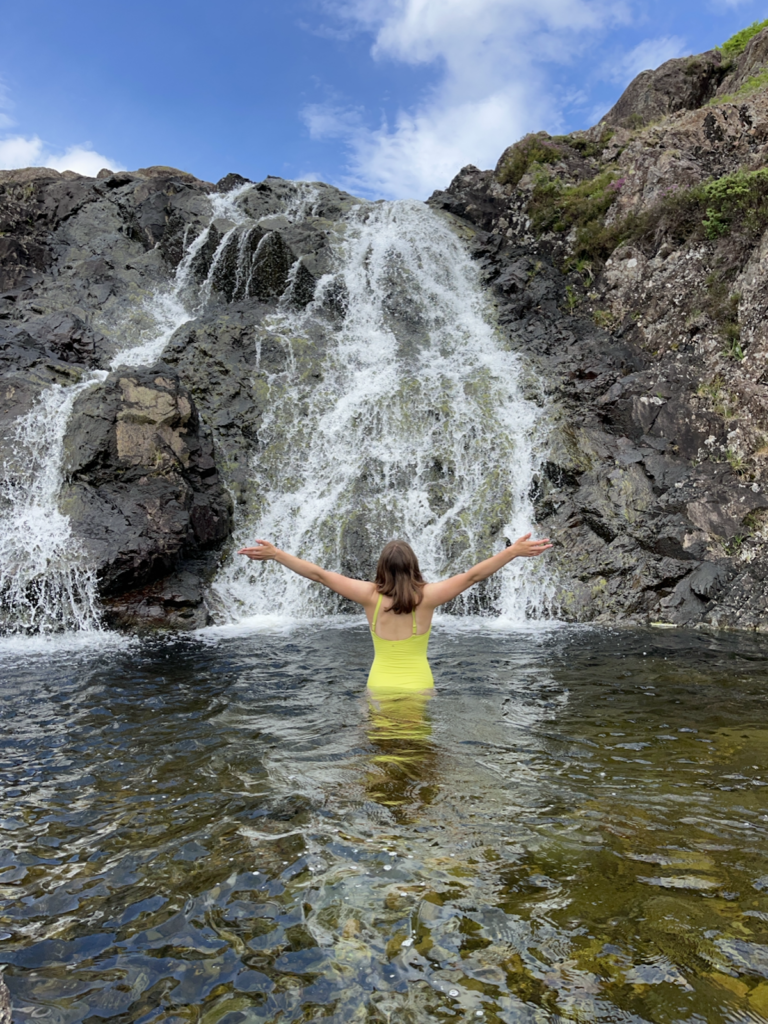
My favourite walk to do, which includes a wild dip spot, is the Easedale Tarn circular. The route for this, with lots of variations, is available on AllTrails.
Walking straight from the high street, you head up into the valley to Easedale Tarn. After stopping off for lunch, you can take in some incredible views. On your way back, you have the opportunity to take a dip in one of the many waterfalls.
My favourite coffee shop in Grasmere is Lucia’s Coffee + Bakehouse. You can smell the place before you see it. The coffee is perfect and the fresh pastries and bread are irresistible.
If you drive out of Grasmere and head north towards Keswick, there’s plenty of roadside van park ups available. The road behind Thirlmere reservoir has lots of tucked away lay-bys, but do note, the mobile connection is limited.
Day four – Take a walk in the National Park
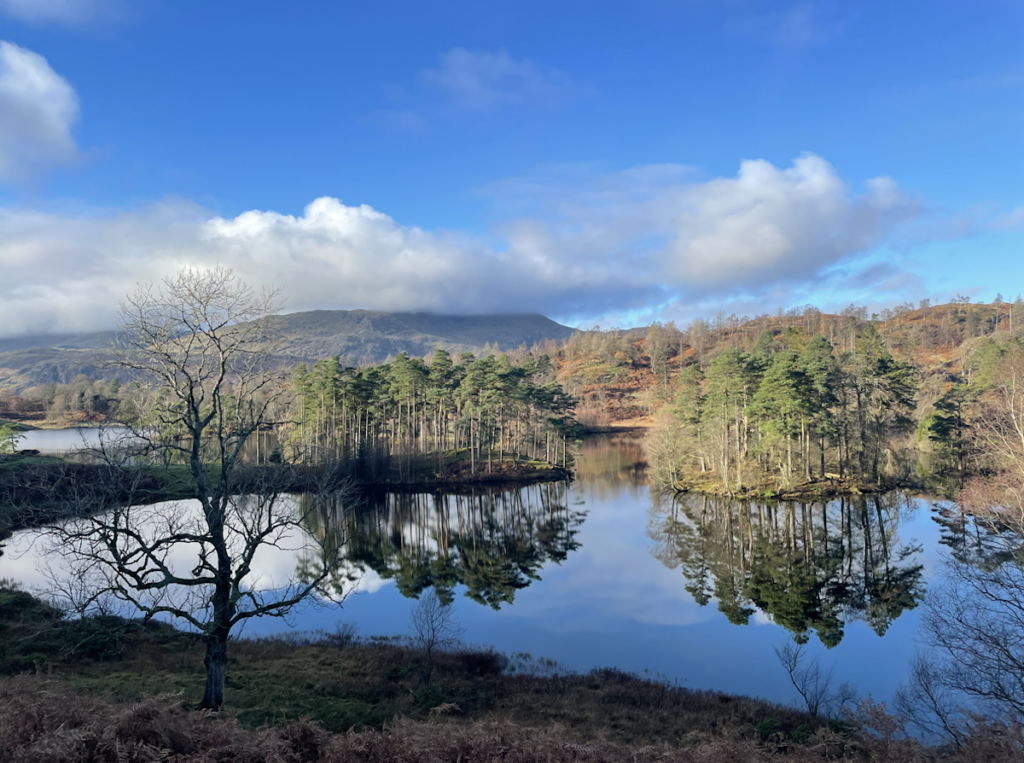
This walk is a must do, especially on a clear day. It’s one I did many times with my parents as a child, and it offers some of the most picture-perfect views in the entire National Park. It gives Harry Potter vibes, if I do say so myself.
Tarn Hows is a circular walk that is also pushchair friendly. There is a main National Park car park which puts you straight at the Tarn. If you want a steeper start, which takes you past lots of waterfalls, park at the Glen Mary Car Park (National Trust also) and walk up the steep path to the Tarn.
You can divert off the path to Black Fell. Around the Tarn is home to a herd of Belted Galloway cows. They are beautiful and calm animals that like to wander around, so be sure to keep any dogs on their lead.
After that, head to Hawkshead village or Coniston for a potter around the shops or visit the pub. There are public toilets at both the main Tarn Hows car park and in the two villages.
It’s worth noting that the main Tarn Hows car park van can be quite tight when busy. On one occasion, my dad got blocked in with his L4 van, which took a long time and lots of careful tiny turns, to set him free.
Day five – Exploring Coniston
Whilst you’re in the area, you must tick off The Old Man of Coniston hike! This is a Wainwright which you can extend on in the circular. Park either at the Walna Scar car park, or in Coniston Village.
The road to Walna Scar is suitable for smaller vans, as the road is a steep and single lane. While I have seen L3 and L4 vans up there, it can be a squeeze, especially if you’re not a confident driver on narrow roads.
The Old Man of Coniston has breathtaking views of Coniston Water and the surrounding areas. This area is steeped in over 800 years of copper mining and slate quarrying history, with tunnels and visible ruins to explore.
Coniston Coppermines Waterfalls are a series of scenic cascades and popular wild swimming spots. These are about one-and-a-half miles from the village with around 240m of elevation gain.
You can access these by following the gravel tracks past the YHA and the Miner’s Bridge. Smaller cascades appear along Church Beck, while the main waterfalls and turquoise water are further on.
The water comes straight from the mountains, so it is very cold all year round. Please be careful when wild swimming, be aware of the dangers of cold water shock and drowning. As the Royal National Lifeboat Institution (RNLI) said in their Float to Live campaign, if you get into difficulty in the water, float on your back. Tilt your head back with your ears submerged. Gently move your arms and legs to stay afloat. It’s okay if your legs sink, everyone floats differently.
Day six – Take in the views of Keswick
Keswick is the northern hub of the Lake District, in my opinion. Like Ambleside, it has so many outdoor shops, coffee spots (a popular one is Yonder) and has lots of paid parking spots. Booths is a supermarket, which is slightly on the pricey side, but it does feel like a treat shopping there.
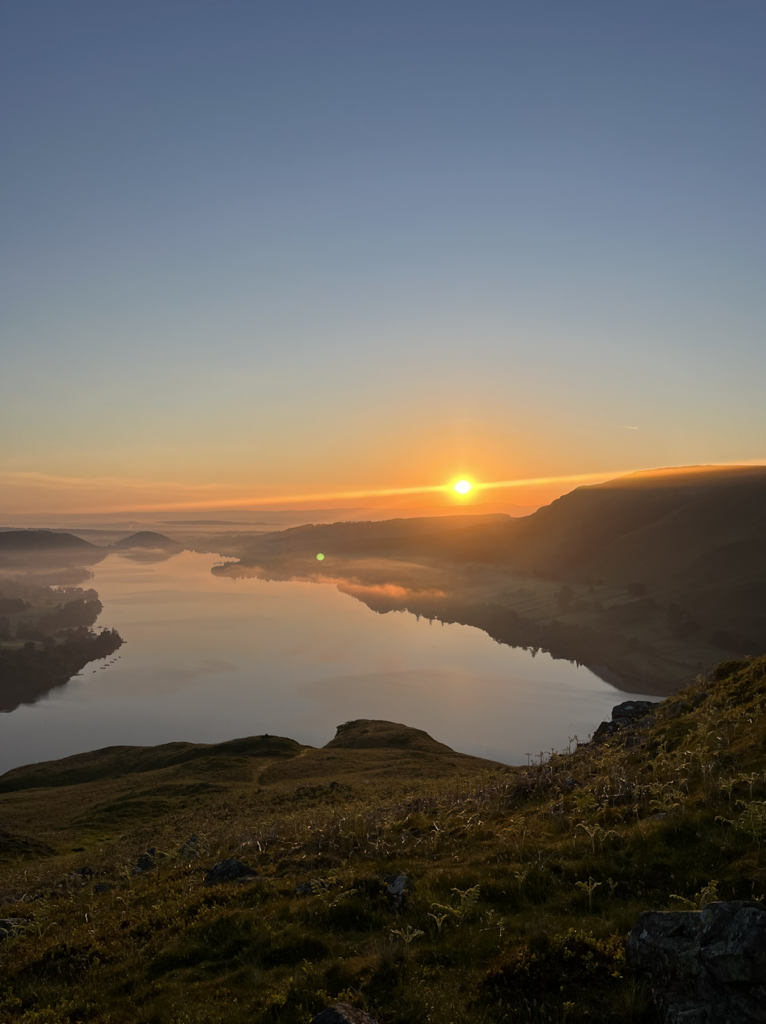
Ullswater is close by, and is actually England’s second largest natural lake. Along the lakeshore is daytime parking and National Trust car parks. If you fancy a wild dip, paddleboard or want a relaxing time down by the water, park here. You’ll be within a stone’s throw from your van by the water. It’s a lovely base to be at on a hot summer’s day.
Hallin Fell is my go to sunrise spot which overlooks the Lake, with parking at St Peter’s Church. It’s a short and very rewarding walk to the top.
You can also park there to complete the Eastern Martindale Fells. This seven hour journey takes in 10 Wainwrights and is about 22km in length.
This circular is not for inexperienced hill walkers, as there are multiple demanding ascents, and good navigation is needed.
Day seven – Hiking in Glenridding
Whilst you’re in the northern lakes, head to Glenridding. Here, you can park up and tick off Helvellyn via Striding Edge. This is a grade one scramble. If you’re looking to build up your experience of ridge walking, this is a great one to start with before heading on to ridges like Crib Goch.
The hike takes on the Wainwright, which stands 950 metres above sea level, and has panoramic views from the summit. If you’re doing the circular, most people descend via Swirral Edge, which includes more scrambling.
Extra trips for visiting the Lake District
The Lake District is a busy place, which can sometimes make it difficult to know where to park overnight, and find spaces to park when starting hikes. Arrive as early as possible to get a space, especially when you’re travelling by van.
Utilise apps like ‘park4night’. They can give you park ups with photos and reviews, so you know what to expect before you arrive. You can also leave reviews for other people who may visit the Lake District in the future.
Mountain passes
There are many steep mountain passes in the Lake District, which regularly close during bad weather conditions. It’s important you respect these closures, as they can be incredibly dangerous during icy and wet weather. Even if they’re home to some stunning parks ups, don’t risk it!
Hardknott Pass is widely recognised as the steepest mountain pass in England. It has tight hairpin bends and a maximum gradient of 33%.
Honister Pass is another tight road, however, vans frequent this road as the Honister Slate Mine experience is based at the top. If you’re looking for an exhilarating day, head there to complete a via ferrata (great practice for your European adventures).
Public transport
The Lake District has great public transport links. If you want to leave your van in one place and use the buses to get to your hike location, it can save the stress of finding parking and driving down narrow lanes. There are multiple services offered by Stagecoach.
There are four main bus routes offered to reduce congestion in the Lake District. They are:
- The Spine – the backbone of the Lake District, going from north to south through the central fells
- The Sightseer – a frequent open top double decker which runs between Bowness, Windermere, Ambleside and Grasmere.
- The Mountain Passes – a circular route from Keswick that takes on Honister Pass and stops in Buttermere. It’s widely regarded as one of the most scenic bus routes in Britain, navigating the roads that most people dread!
- The Deep Valleys – This is for the likes of the Langdale Valley
Waste disposal in the Lake District
There are dedicated waste disposal spots in the Lake District. Surrounding motorway service stations have waste disposal and water refill stations, such as Tebay.
Many campsites, for a small fee, will offer day passes to top up your water, dispose of waste and have a shower if you don’t have the facilities in your van.
Driving in the Lake District
If you’ve never driven in the Lake District before, one of the biggest things to prepare for is the roads.
Many of the smaller country lanes are narrow, winding and bordered by dry-stone walls, with passing places where you’ll need to give way to oncoming traffic. Take your time, look ahead and don’t be afraid to reverse to a passing place if necessary.
If you’re travelling in a big van or motorhome, it’s worth planning your route before setting off rather than relying entirely on your sat nav. If there’s a sign saying don’t trust your sat nav, pay attention to it! Some mountain passes have particularly steep gradients and tight bends, so check that the road is suitable for your vehicle and that the weather conditions are safe.
Allow for longer than your navigation app suggests, especially if you’re planning to stop for walks and viewpoints along the way.
Parking can also be challenging in popular spots such as Windermere, Ambleside and Grasmere, particularly during busy periods. Arrive early where possible, check height restrictions and never block a passing place, farm entrance or narrow road to get a photo.
Above all, take it slow and enjoy the journey. Some of the best scenery in the Lake District can be found along the drive itself.
It’s vital that no roads are blocked to allow access for emergency service vehicles and Mountain Rescue.
Insure your campervan
No matter what time of year you visit the Lake District, or whichever UK public road you drive your campervan on, you will need to have the right campervan insurance.
We can also find you deals on breakdown cover and annual van life insurance for trips, so you can have peace of mind on your next road trip.
Call us on 0344 381 9990 for a quick, no-hassle quote or book a callback at a time that suits you.