
With mainland Europe on Britain’s doorstep, it’s no wonder why so many of us opt for a driving adventure. Whether it’s exploring warmer climates, beaches, city breaks or visiting snow-capped mountains, there’s something for everyone.
And with so many of us Brits travelling abroad by car, we’ve put together a guide on everything you need to know about using a cross-Channel ferry at the start of your journey.
What is a cross-Channel ferry?
A cross-Channel ferry is a ship or vessel for passengers where you can ferry your vehicle from one country to another across the English Channel. The most popular routes are from southern England to northern France due to the short nature of the trip.
Where can I get the cross-Channel ferry?
You can book ferries across the Channel from the English ports of Dover, Portsmouth, Newhaven and Plymouth, to Dieppe, Dunkirk, Caen, Cherbourg, St Malo, Roscoff and the main French port of Calais.
How long does it take to use a cross-Channel ferry?
This is dependent on where you are travelling to and from which port. The fastest ferry across the Channel, and in fact the most popular due to its short nature, is Dover to Calais, which takes approximately 90 minutes.
If you are travelling from Portsmouth to Santander in Spain, it can take around 30 hours.
However, ferry times, just like trains and planes, can vary on the day due to a number of factors, such as weather conditions.
Which vehicles can travel on a cross-Channel ferry?
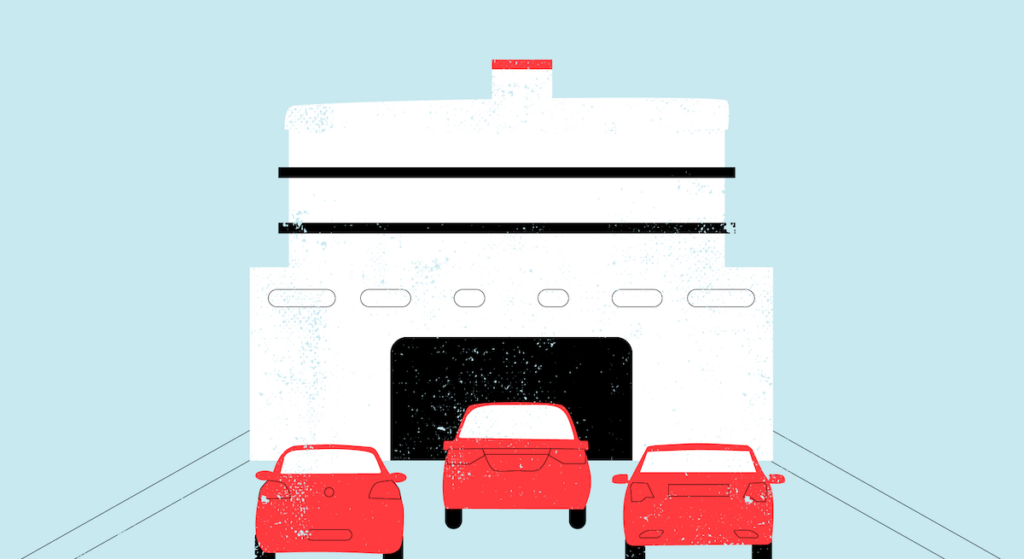
Wherever you are travelling to in mainland Europe, whether it’s France, Spain or Portugal, you will be able to take your car, bicycle, caravan, motorbike or motorhome with you – giving you the flexibility to create your perfect holiday.
What documents do I need to go on a cross-Channel ferry?
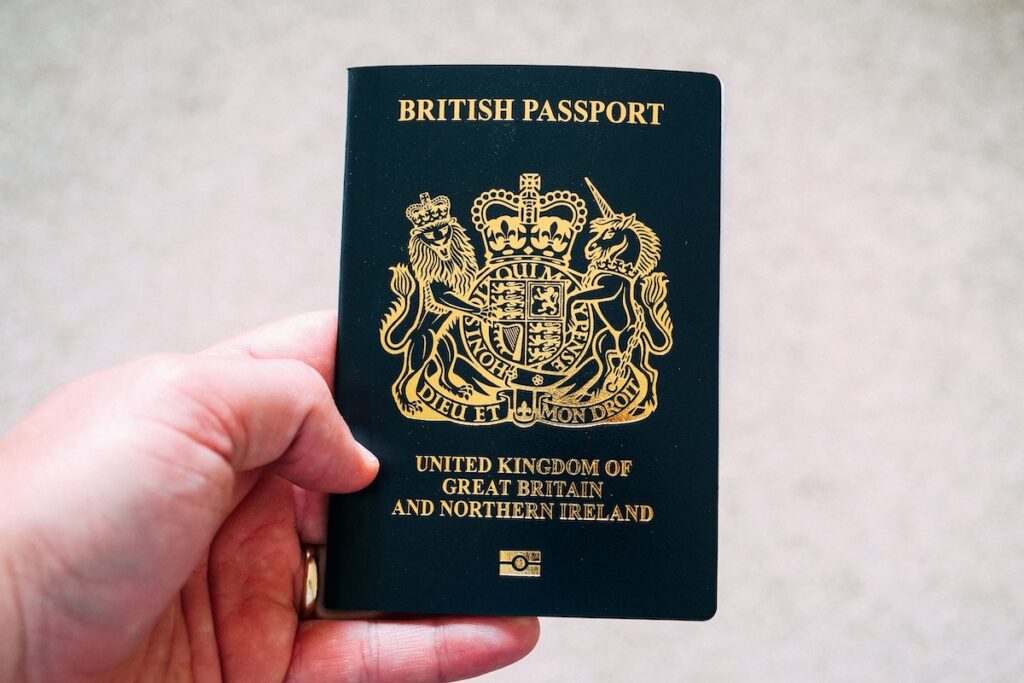
When travelling on a cross-Channel ferry, you will need a form of ID with you and on international routes you will need your passport to check in at the port. However, there are some exceptions to this.
If you are an EU citizen and are travelling within the EU, you may wish to use an EU national identity card.
If you’re sailing between Ireland and Britain, Irish and British citizens can use a valid form of photo ID such as a driver’s licence.
What about the new EU Entry/Exit system?
The new EU Entry/Exit system (EES) is essentially a new digital border system designed to track those who are entering and leaving the Schengen area from non-EU countries. It had a gradual launch in 2025, but came into full effect on April 10, 2026. Because of this, you will no longer receive a physical stamp in your passport.
Due to Brexit, the UK is now a non-EU country, which means you will need to register your biometric details, such as your fingerprints and a photo of yourself when you arrive at a UK port. You should be able to do this at dedicated booths. These checks will be conducted before you leave the country if you are travelling from Dover or upon arrival in Europe from other ports. It should be noted that children under 12 do not need to give their fingerprints, but a photo will still need to be registered for EES.
An EES record lasts for three years and should be ‘re-verified’ when you cross the border. You can’t stay for longer than 90 days in a 180-day period, regardless of whether your trip is for work or pleasure.
What is the European Travel Information and Authorisation System (ETIAS)?
ETIAS is not currently in place at the time of writing, but reports say it could arrive in early 2027. However, this is another new system that you will need to get used to before you travel.
Essentially, it will be a new document for UK citizens and other visa-exempt travellers. While it’s not in effect just yet, it’s a wise idea to keep an eye out before your travels to see if it has come into effect. That’s because you will need to complete an online application and pay a mandatory fee in advance of your journey. Note you will not be able to do this at a port.
If you are over 70, or under 18, you will not need to pay a fee, but still need to apply, according to the official rules.
A good way to understand this new system is to liken it to the Electronic System for Travel Authorisation (ESTA) if you have travelled to the USA before.
How much do cross-Channel ferries cost?
Travelling by cross-Channel ferry generally costs less than using the Channel Tunnel for drivers from the UK. However, prices can vary depending on which route you take, how far in advance you book and which operator you use.
Just like trains in the UK, ferries have peak and off-peak times. Unlike UK trains though, this is not done by which time you travel, but rather what time of the year you choose to go on your trip. Off-peak ferries are saved for outside of the high season for holidaymakers such as the school summer break.
The price of your ferry also depends on which route you are travelling – the longer the route, the greater the cost, as you may imagine – so always check with operators for up-to-the-minute prices. You can also sometimes save money by sailing in the middle of the night.
How long before departure time should I arrive at the ferry port?
An hour before your ferry leaves the port used to be seen as a decent time to arrive, but now, due to the new EES checks, you should aim to arrive around an hour-and-a-half to two hours beforehand. This system is still fairly new at the time of writing, so many other travellers will be going through this process for the first time. This should give you enough time to check in and avoid any potential queues.
If you are travelling during peak season, you can expect your departure port to be a lot busier than normal, so you should allow extra time.
Can I take my own food and drink on a ferry?
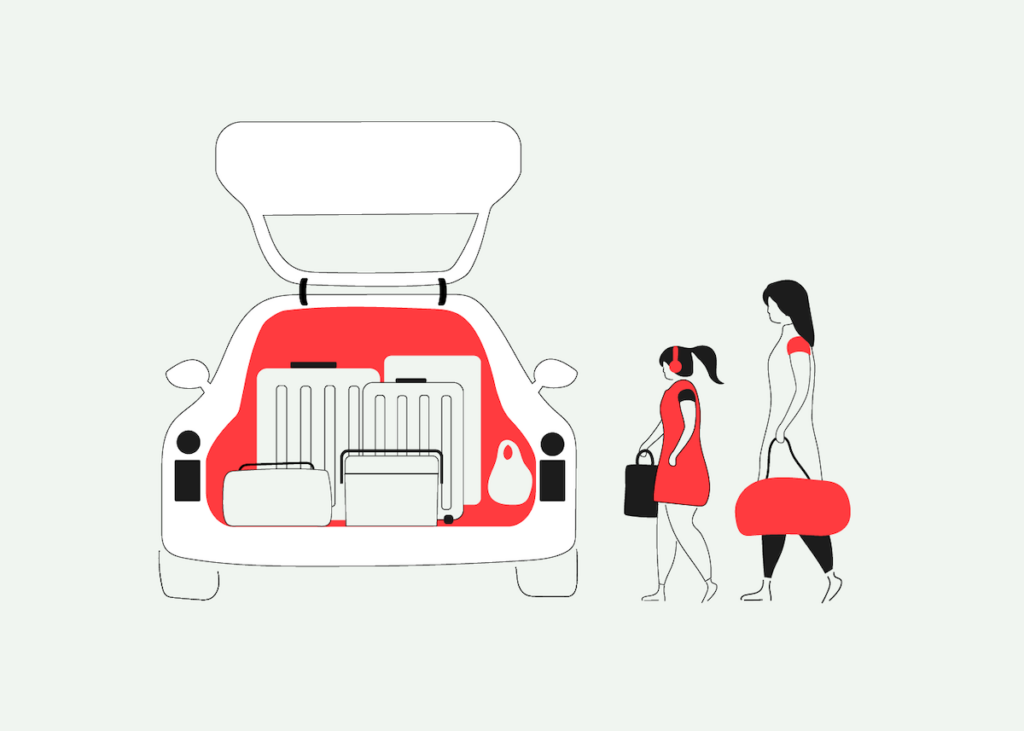
You are able to take your own food and drink on a ferry, so you can enjoy all your home comforts on board on the way to your destination. However, most operators do not allow you to consume your own alcoholic beverages, and these must be bought en route.
It’s important to note that you can’t bring dairy, meat or products containing them into mainland Europe when you arrive at your destination. These will need to be consumed before passing through customs/border control.
If you do inevitably forget your food, rest assured, you will be able to buy food and drink, including alcohol, as ferries have plenty of restaurants, shops and bars to purchase from, but note it is often more expensive to purchase items on the ferry than it is on land.
What facilities are on board ferries?
Along with the restaurants, bars and shops, ferries on longer routes often have amenities such as cabins for guests to rest in after a long drive. Some also provide entertainment services such as cinemas and swimming pools to keep you entertained for the duration of your trip.
Will I need car insurance once I get to Europe?
Just like the UK, you will need car insurance to legally be allowed to drive whilst in Europe. This is sometimes covered by your current policy, but it’s best to check with your provider beforehand.
For any issues that may arise whilst you drive around the continent, Sterling can help find you European car insurance to give you peace of mind so you can focus on enjoying your break.
Call our expert team on 0344 381 9990, or book a free call back at a time that’s convenient for you.
Can I get European breakdown cover?
Sterling breakdown cover can come and rescue you throughout the European Union and in other countries that are not part of the EU economic zone.
Driving and travelling rules in Europe may have changed since this article was updated in October 2026. Please check official government sources before travelling. This guide is for general information only and does not constitute legal or travel advice. While we aim to keep information up to date, we can’t guarantee its completeness or full accuracy.